Section 11: REAL ESTATE - ARCHITECTURE

THE VOICE OF INTERNATIONAL LITHUANIA

|
VilNews has its own Google archive! Type a word in the above search box to find any article.
You can also follow us on Facebook. We have two different pages. Click to open and join.
 Click on the buttons to open and read each of VilNews' 18 sub-sections Click on the buttons to open and read each of VilNews' 18 sub-sections  |

|
- Posted by - (3) Comment
Text and photos: Aage Myhre
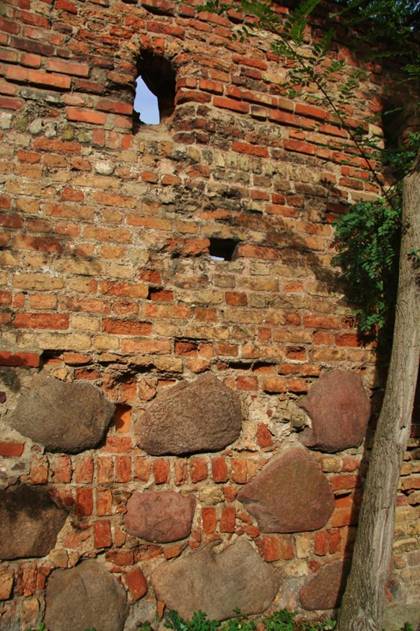
The Vilnius city wall was a defensive wall built 500 years ago. Vilnius was by then capital of Europe's largest country, the Grand Duchy of Lithuania that stretched from the Baltic Sea to the Black Sea. The city wall was built between 1503 and 1522 for protection from the attacks by the Crimean Khanate at the beginning of the Muscovite–Lithuanian Wars. The stone and brick wall was a key element of the defensive system of Vilnius, and was paid for by the city's landowners. It contained nine gates and an artillery bastion.
Only a small part of the city wall remains today, and only one gate is still intact. The remaining part of the wall is very interesting, and you're hereby invited to a stroll along the wall outside....
- Posted by - (3) Comment
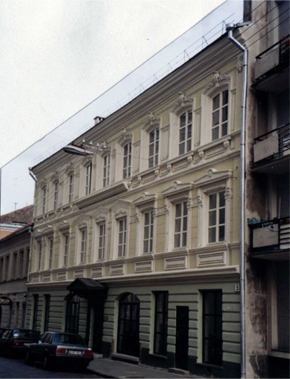
ABOVE: My first project in Vilnius Old Town, Dominikonų g. 5 , 1993-1995.
See also https://vilnews.com/?p=1549.
I had seen a lot of great architecture around the world before I came to Lithuania more than 20 years ago. Yet I had never seen a country whose identity was carried by architecture. Most countries have their unique architecture and national monuments, but here I was suddenly faced with a nation where many centuries of history and life were clearly recorded in the buildings and the surrounding, unique urban environment called the Vilnius Old Town. Walking through this exciting history book is what increasingly makes Lithuania's traditional architecture a magnet for visitors from around the world. For it is precisely here that they find the essence of architecture; experiencing that buildings, styles, streets, squares, ornaments play in perfect harmony with human life and activities, in a symbiosis found nowhere else in the world.
Text: Aage Myhre, VilNews Editor-in-Chief/architect
aage.myhre@VilNews.com
Vilnius is called the "world's most Italian city outside Italy," and also "Europe's most baroque city north of the Alps". Before the Baroque made its appearance, Vilnius was considered one of the world's three leading Renaissance cities (!), in competition with Milan and Florence. However, although the Lithuanian architecture has its roots in Italy, it also developed its own distinctive character, which now once again delights and surprises visitors from near and far.
Unfortunately, this wonderful national heritage was not preserved and continued too well during the years when Lithuania was occupied by the Soviet Union. Also today, there is devoted minimal attention to this heritage, the very identity of Lithuania. Buildings and environments that have been completed over the past 20 years have too much become pale, indifferent copies of Western countries 'modernist architecture' instead of development projects based on Lithuania's phenomenal genuine, beautiful traditions in architecture and living environments.
Fortunately, there are still ancient urban districts and buildings throughout the country that remind us about what a proud and powerful identity Lithuania had in the past. And thankfully, authorities and many others understand that these fine monuments must be preserved as the proud bearers of identity they still are.
Bravo!
But it surprises me greatly that today's architects and planners are not willing to listen to Lithuania's own ‘identity-music’ instead of following in the footsteps of the West’s often banalising, so-called modern architecture.
A Lithuanian architecture that honour and take into account the nation's identity would not cost more, it would make the new building environments more attractive and warm, and it would show the world that Lithuania is a proud nation with deep roots in culture and history, virtually unparalleled. So why wait?
Let me exemplify what I have in mind...

- Posted by - (4) Comment
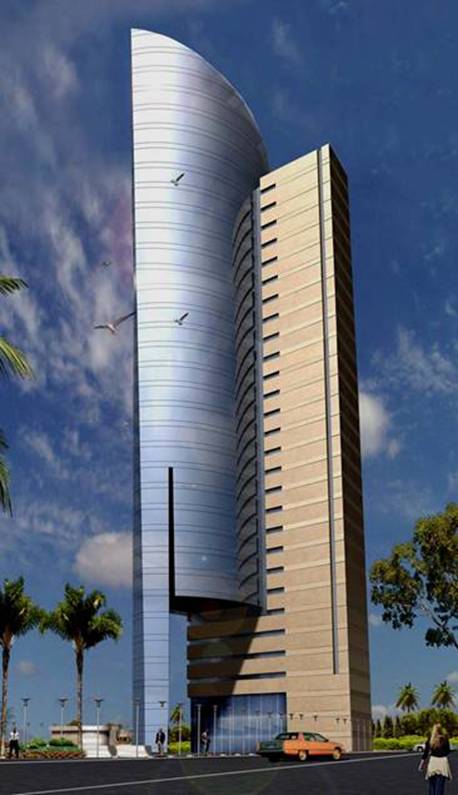
New bank buildings appear, also in Lithuania. The banks SEB, DNB, NORDEA and
UKIO still have their headquarters in older buildings in the Vilnius city centre while
two other banks, Swedbank and Danske Bank, are headquartered in new buildings
just outside the centre. The challenge for banks of today, here as in the rest of the
world, is to express their own identity and at the same time show environmental
adaptation when their new buildings are erected. The picture above illustrates
how I think a new bank building in the Vilnius outskirts can both demonstrate
respect and belonging to the city's fantastic architectural history while also
being innovative, inspiring and audience-friendly. Real materials, such as
traditional bricks, as ‘bottom line’, combined with a future-oriented,
optimistic glass building in front would, in my opinion, symbolize
the future of Lithuanian banking sector in a good way.
Text: Aage Myhre, architect and editor-in-chief
aage.myhre@VilNews.com
I've had the pleasure of studying bank architecture for more than 30 years. My primary task when I completed my master studies in architecture in Norway involved the analysis and criticism of bank buildings, and I touched the subject also later, when I studied architectural psychology in France. Bank architecture is very fascinating because banking is a profession that has always been keen to signal dignity and sometimes power, while money itself does not have a separate visual identity.
Greek temples with solid pillars in front was long a favourite theme, while one in recent decades have experimented with all sorts of, often divergent, symbolism variants.
Also in the Baltic States has one in recent years seen attempts to develop identity buildings for banks; from mafia-like castles with dark glass as the main theme, to more power-demonstrating buildings where Soviet ideology still seems to apply.
Fortunately, there are also brighter examples ...
Let me invite you on a tour through the history of banking architecture, globally and here in this country. Allow me also to share some thoughts with you about why bank architecture is important for the monetary economy's future, and how new bank buildings should best adapt to the long and strong architectural tradition this country represents, even in a global context.
These are my topics of the day:
1. History of bank architecture
2. Pre-war banks in Lithuania
3. Jewish banking in Lithuania
4. Banks during Soviet years
5. ‘New’ banks in old buildings
6. ‘New’ banks in new buildings
7. What should characterize a
bank building of today?
- Posted by - (3) Comment
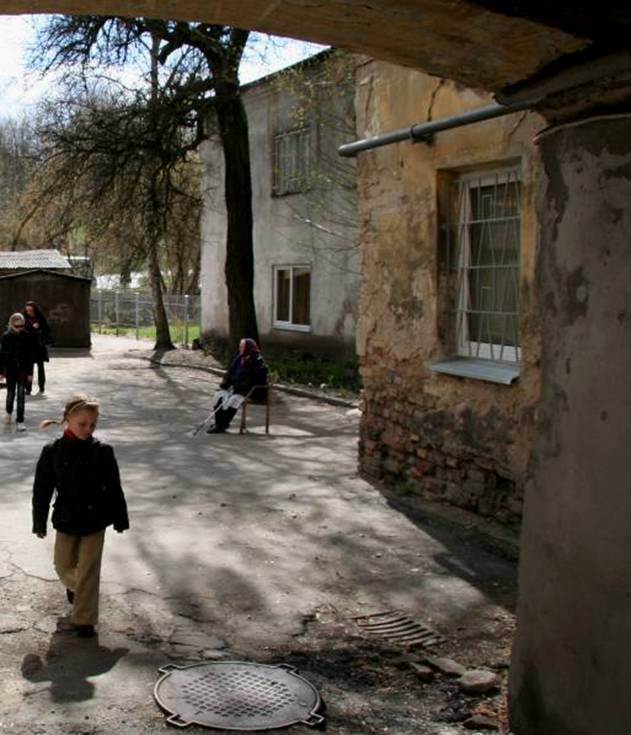
AN UŽUPIS COURTYARD.
Photo: Aage Myhre
- Posted by - (4) Comment
 |
|
|
1993 |
1995 |
|
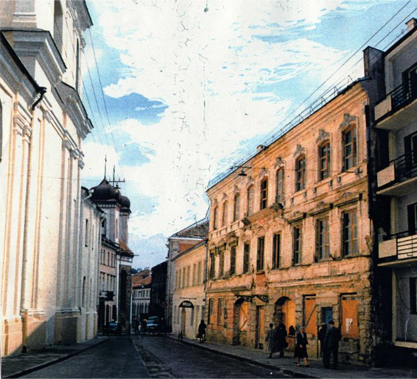
ABOVE: My first project in Vilnius Old Town was to transform an old building that was one of the most dilapidated ones, almost in ruins, into a modern office building. Lithuanian building products were then still of Soviet quality, so I had to import windows, doors and most other products from Norway. Still I believe this building came to play an important role as an example for later renovation projects by local architects, developers and construction companies. But the building also taught me something about Vilnius and Lithuania, i.e. through the fragments of ancient paint we found on the building façades; layer upon layer of colour and treatment materials applied over hundreds of years. For me this was concrete evidences that gave me a deeper impression and understanding of the multifaceted history this country has been through. It was as if the paint layers spoke to me from Lithuania's past centuries of successes and failures. |
|
- Posted by - (8) Comment
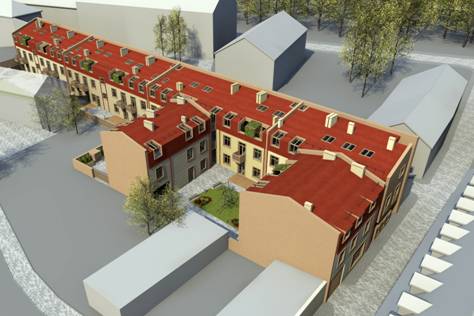
Kotrynos vartai is being built at Klaipedos Street in the very centre of Vilnius Old Town, close to the St. Catherine Church and the Teachers‘ House.
Illustration: Resolution/NEWSEC.
It is not often build new homes here in Vilnius Old Town. There are simply very few vacant spaces. The financial crisis has also contributed to 'freeze' the majority of new developments in Lithuania’s real estate sector.
But now it's finally something happening. A brand new apartment complex under construction in the heart of the Old Town, on a site that until recently was reserved for old garages from the Soviet era.
Kotrynos Vartai is the name, a complex of apartments and two commercial premises being built at Klaipedos street next to St. Catherine’s Church and the Teachers’ House.
The development includes:
The construction works started spring 2011, Completion in autumn of 2012.
The apartments are sold at prices varying from 6.700 LTL/sq.m to 8.900 LTL/sq.m. Till now eight apartments are sold.
More information at www.kotrynosvartai.lt.
- Posted by - (1) Comment
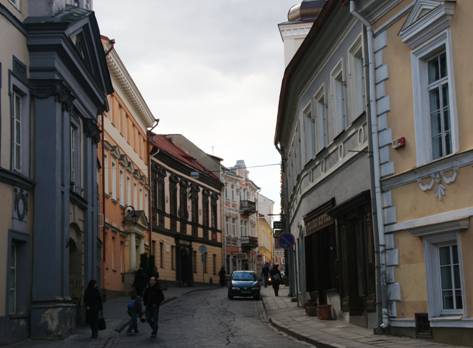
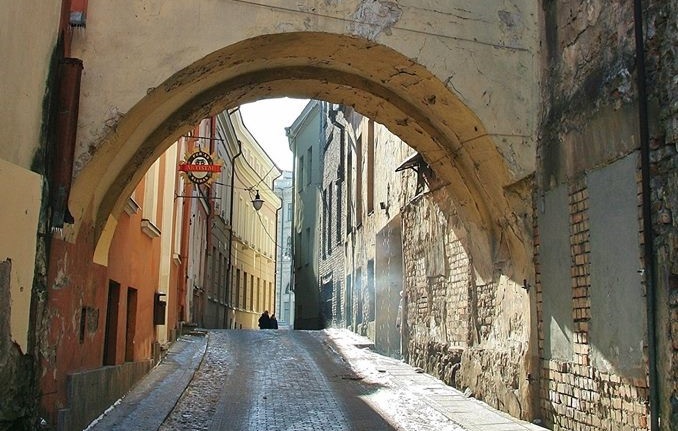
Dominikonu Street in Vilnius Old Town. The colours play together. The
attention to detail is great.
Photo: Aage Myhre.
Text: Aage Myhre, architect and editor.
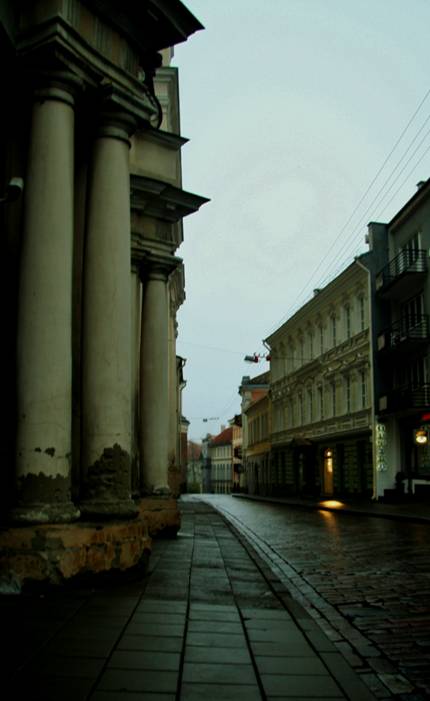
From an architectural point of view, the Vilnius Old Town is unique. In the world. It can also be justified to call this the world's most international city, taking into account all nations and cultures that have been involved in its planning and construction over many centuries.
It was here architects and builders from Italy and other Mediterranean countries came to shape the international Vilnius almost 700 years ago, along with experts from Central Europe. The influence of the city's large Jewish community was also very evident throughout the centuries.
It is to Vilnius you should come if you want to watch an entire people's ancient spirit, expressed in a beautiful, special setting unmatched anywhere else. It is when you walk around in the streets here that you will understand why Vilnius has been named as the 'New Babylon', 'Jerusalem of the North', 'The world's most Italian city outside Italy' and 'The world's most baroque city north of the Alps'.
It's when you feel the round cobbles in the streets pushing up against your shoe soles that you can fully understand the concepts of multiculturalism and multi-nationalism, as you could find it in Old Vilnius.
- Posted by - (0) Comment
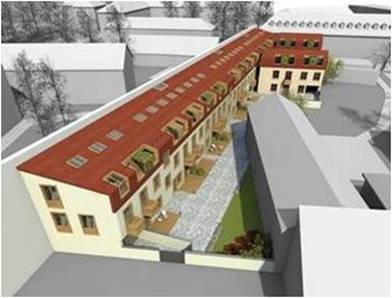
"Kotrynos vartai", a residential project in Vilnius Old Town.
More than 4.000 sq m. Building works already started.
Today's real estate updates by
NEWSEC – Re&Solution www.newsec.lt
Residential Sector: Optimism has returned to the market. Increasing number of pre-sale agreements in the project market indicates shrinking supply. Potential buyers are mostly looking for projects with good infrastructure – schools, kindergartens, public transportation services etc. in the neighbourhood.
Office Sector: There is lack of new companies in the market. Existing companies are very cautious regarding expansion. Landlords have started a new wave of re-negotiations, trying to increase rental rates.
Retail Sector: Turnover have stabilized and major retailers have started to report slight growth over the first quarter of this year. Retail sector returns back on a positive path!
Warehouse Sector: Warehouses are still fully stocked with goods. It is expected that recovery in consumption and growth of retail turnover will be followed by warehouse sector upturn.
- Posted by - (14) Comment
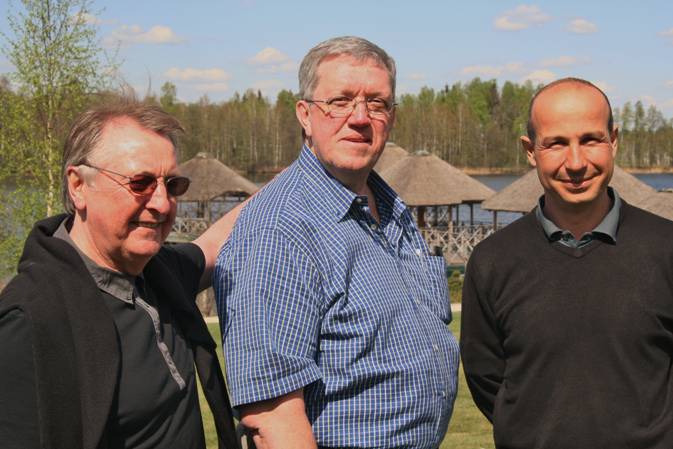
These three gentlemen are essential in the property development, the hotel and the golf club at Le Meridien Vilnius – Sandy Blackwood (Director of Sales and Marketing, Vilnius Golf Spa & Resort), Robert Overend (Director for Sales and Marketing at the hotel), and Yiannis Tsioukanis (Golf Operations Manager).
Vilnius Golf & Spa Resort has begun Stage one of a two stage development to build a ‘City of Dreams’ in a 350 acre Private Estate only minutes from Vilnius. The Estate, adjacent to the Lé Meridien Vilnius hotel and has the Baltics’ only 18-hole PGA championship golf course; around which construction began in October 2010 of one bedroom apartments, two and three bedroom townhouses and three and four bedroom villas.
The exteriors of the properties are designed by Darling Associates London, who won the best architectural practice of the year in 2009 by the Architect Journal and the interior design concepts are by Anoushka Hempel Design studio London, who designed 3 award winning boutique hotels (Blakes London, Blakes Amsterdam, The Hempel, London) which showcase their signature style.
It is spring in Lithuania! The real estate market is starting to pick up after three dreary years. I will therefore now offer those interested in a new home or a new investment, to learn more about two objects in what is normally referred to as the luxury class.
The first object is an existing penthouse apartment in Vilnius Old Town. The second object is a planned townhouse development situated at the river Neris in Zverynas.
Please contact me as soon as possible if any of these objects are of interest for you.
Write me at aage.myhre@VilNews.com
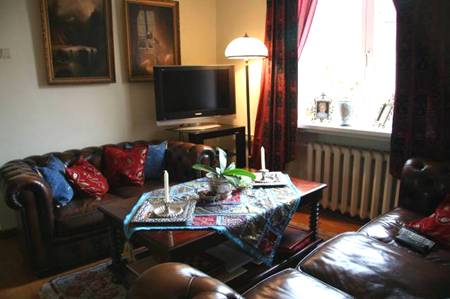
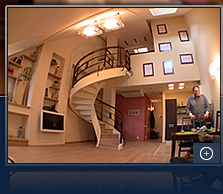
Three-floor Old Town penthouse. One of the best in Vilnius. Prime location.
The apartment is located at the very heart of Vilnius Old Town – yet on top of it, far away from the street’s hustle and bustle! It is a genuine penthouse on three levels – with a main floor, a mezzanine and a top floor with the most fantastic views over Vilnius Old Town (7,5 meters from main floor to the ceiling top!).
It was architect-designed and built in 1999, called one of the most desirable and exclusive apartments in Vilnius by the press. All equipment is state-of-the-art, including all plumbing, wiring and other hidden installations. All windows and doors are new, the roof and walls are thoroughly insulated with mineral wool, and the apartment is decorated to the highest standard throughout. Mainly parquet flooring, with ceramic tiles in bathrooms. The top floor view over Vilnius Old Town has to be seen to be believed.
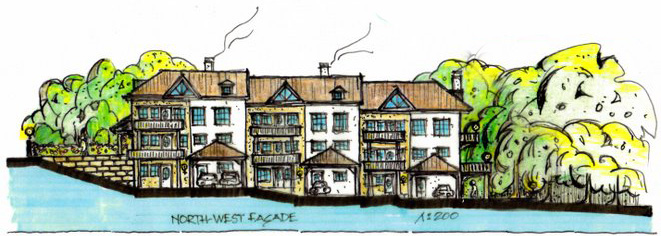
Three exclusive townhouses, each with around 200 m2 floor space, are planned built at one of Lithuania’s very best land plots, in the Vilnius district of Zverynas. The plot is exceptionally green, south west oriented, bordering the river Neris ant the huge, forested Vingis Park at the other river side.
Each townhouse will cover a total floor space of between 150 and 200 sq.m., plus double garages for each unit. Each unit will also have private gardens and plenty of outdoor space for kids and grown ups.
Advantages of the development are as follows:
· Zverynas is known as the diplomat district of Vilnius; prestigious, safe and green
· The development is located within walking distance from the city centre
· The townhouses will be planned with attention to security for kids and grownups
· Each unit can be more or less tailor made for each family
· The green outdoor areas/gardens are ideal for barbeque, private life etc
· The development offers unique privacy qualities in an utmost green environment
· The view from each of the units will be to the west, to Vingis Park and the River Neris
…
- Posted by - (0) Comment
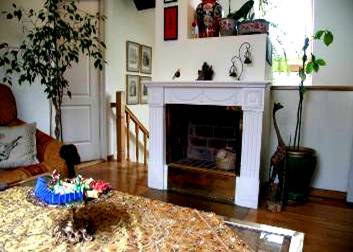
The luxury property market, though having experienced a slowdown in the level of transactions in 2009-2010, is reacting very differently to the crisis, if compared with the general residential market. The past two years in many ways were the opposite, 2009 being full of uncertainty, cautious behaviour and modest spending, whereas in 2010 the perceived stability in business and economic environment in Lithuania has brought the luxury property market up on feet, with buyers more willing to buy and sellers more willing to sell. The level of transactions is thus expected to improve in 2011, whereas the price level will most likely fluctuate around the same level.
Nevertheless, we should see more of rent transactions in the luxury property market as well. Typical owners perceive luxury properties more as an investment, thus an option to “check-out” the property before buying something in a similar location is attractive.
…
- Posted by - (1) Comment
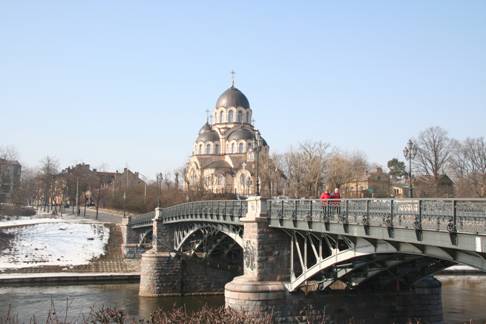
A rainy Saturday, back in 2004, seemed to be a good time to finish my research of the previous day at the National Library adjacent to the parliament in Vilnius, Lithuania. It’s a walk-able distance from my temporary home, but I decided to take the trolleybus at the one-half price student discount, for nineteen cents Canadian. While crossing the Neris River, I remembered that my destination was on the opposite side of the river via a nearby bridge: a city-block north and another block east. I could see where I wanted to go, all I had to do was get to the other side of this church, obviously a Russian Orthodox church, too insignificant to be in any of the tourist brochures. But there it was, with its front door invitingly open.
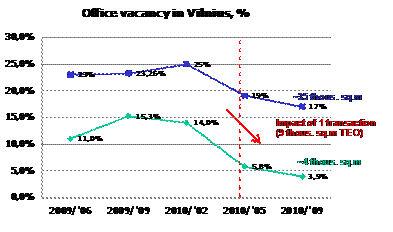
The Baltic countries seem to start recovering from a deep recession. All in all, the region’s competiveness is improving and, as the internal imbalances are solved, the region is expected to continue its progress on the economic ladder, followed by recovery in real estate market. Since the beginning of 2010 the Baltic countries have been trying to reach the bottom and is still unsure what the frail surface under the feet really means. Notwithstanding this, it is rather clear, that further fluctuations should be very minor and the major shocks are left behind. In any case, lets hope that global economy will not suffer the “W” scenario, which could be extremely harmful for such fragile economies as the Baltic States. So, what challenges and opportunities will Lithuania face in 2011? Is the current foundation strong enough to restart at a full pace?
- Posted by - (0) Comment
Luxury Residential Property Market in Lithuania
Throughout the last decade residential property market has experienced one of the largest booms as well as one of the hardest falls among other property markets in Lithuania. Influenced by a strong growth of the economy and even stronger future growth forecasts, fuelled by loosely controlled bank credit market and inexpensive lending as well as high future income expectations, the residential property market suffered from quick yet low-quality supply of new residential projects, bankruptcies of many of property developers and failures of many of the inhabitants who took mortgages, to repay or keep with the payment schedule.
However, many of the abovementioned issues, which strongly influenced the economy-class and medium class residential property markets, were not so in line with the developments in the luxury property markets in Lithuania.
- Posted by - (2) Comment
What is up now 2011? TIPS from the Maison & Objet – interior exhibition in Paris

Today, in 2011, we are living in accordance with the sprit of the Rabbit Year! This year is lovely, absolutely lovely. You can feel the difference after the stormy Tiger Year, which was last year.
Have your say. Send to:
editor@VilNews.com

Thank you - I feel like I had a stroll through Vilnius (and also made me homesick) some beautiful photos...
Virginija Shimkute,
New Zealand
Excellent and interesting publication you have! I have been receiving copies of your publication through friends, and I would like to be added to your email list. I am an architect also, in Michigan, and do travel back to Vilnius every year and have an apartment on Ausros Vartu Street, where I experience a totally different rhythm of life than in the USA. Your perceptions about Vilnius and Lithuania, and architecture are insightful and accurate. Keep going! I would like to meet you next time I am in town, if possible.
Algimantas Bublys,
Michigan, USA
Thank you for this splendid tour. Here from Tashkent, Vilnius looks even more charming.
I hope you all get out of the crisis soon.
Uzbekistan is a very interesting place to work for me and actually without Icelandic volcano cloud. Central Asia is full of surprises and art.
Anne Bauty,
Ambassador of Switzerland to Uzbekistan


Are you looking for a new apartment or other form of housing in Lithuania? Thinking about starting business here? What about investing in property here now that the market is at its lowest? Please contact us if you want to evaluate the offers and opportunities that exist or if you want help from architects, engineers or interior designers. We can help you check legal matters, technical quality, etc.
Write to us. Tell us what you are looking for. To get information and avoid future problems.
Here you can find a few available properties in the market right now. There are many more, so we recommend that you start by writing us an email describing what kind of property you are interested in, size, location, price level, etc.
RESIDENTIALApartments, Vilnius
"Mikalojaus žiedas"
Address: Šiaulių str. 10 / Žemaitijos str. 13, Vilnius
Area: from 45 sq.m.
More »
Apartments, Vilnius
Gaono Street
Address: Gaono Street, Vilnius Old Town
Area: 42-200 sq.m
More »
Apartments, Vilnius
"Villa a City"
Address: Nemenčinės pl, Antakalnis, Vilnius
More »
Apartments, Palanga
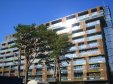
"Seaside Residence"
Address: S. Daukanto str. 10, Palanga
Area: from 38 sq.m
More »
Apartment, Nida
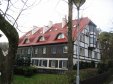
"Tylos slėnis"
Address: G.D.Kuverto Street, Neringa
Area: 33-71 sq. m
More »
LAND PLOTS
Sirvintiu district
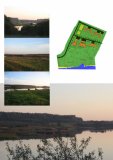
With projects and construction permits
Price: 12,000Lt/are
Address: Bartkuškis, Širvintų district
Area: 2.15 hectare.
More »
COMMERCIAL
Offices, Vilnius
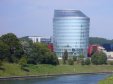
Business center "Green Hall"
Address: Upes st. 21, Vilnius
Area: ~10 500 sq. m.
More »
Office, Vilnius
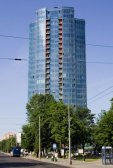
Business center "Helios city"
Address: Savanoriu st. 1, Vilnius
Area: 174 sq. m.
More »
VilNews e-magazine is published in Vilnius, Lithuania. Editor-in-Chief: Mr. Aage Myhre. Inquires to the editors: editor@VilNews.com.
Code of Ethics: See Section 2 – about VilNews. VilNews is not responsible for content on external links/web pages.
HOW TO ADVERTISE IN VILNEWS.
All content is copyrighted © 2011. UAB ‘VilNews’.