
THE VOICE OF INTERNATIONAL LITHUANIA

|
VilNews has its own Google archive! Type a word in the above search box to find any article.
You can also follow us on Facebook. We have two different pages. Click to open and join.
 Click on the buttons to open and read each of VilNews' 18 sub-sections Click on the buttons to open and read each of VilNews' 18 sub-sections  |

|


The world in Lithuania
- Posted by - (0) Comment
unflinching eye contact with her
while she described her mother's
passion for cooking the traditional Lithuanian dishes
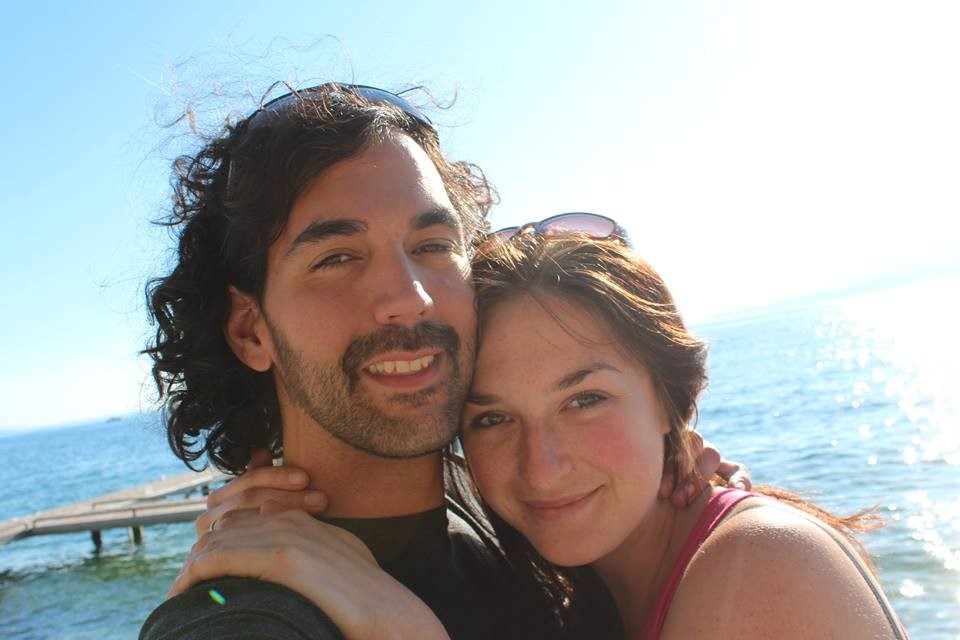
American Songwriter in Lithuania
- Bookmark :
- Digg
- del.icio.us
- Stumbleupon
- Redit it

- Posted by - (3) Comment
an important contact point for old
and new Muslim communities
By Daiva Repečkaitė
http://www.daivarepeckaite.com/en
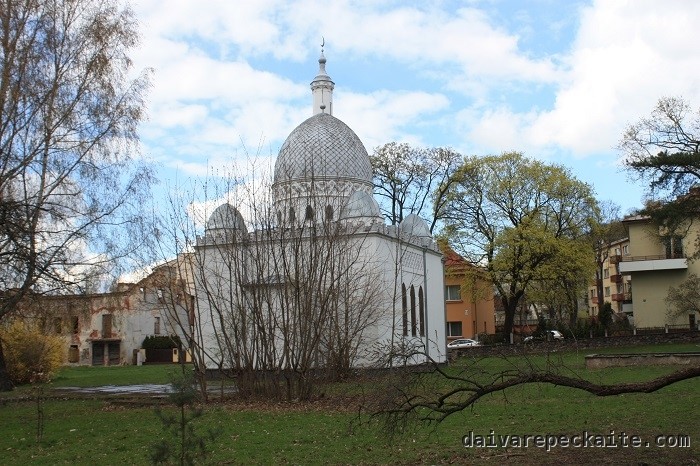
The community of Kaunas mosque provided an opportunity for anyone interested to go inside the unique Tatar mosque of Kaunas, to see a Muslim prayer, look around and enjoy food from various countries and cultures. The mosque has become an important contact point for old and new Muslim communities, the latter consisting of foreign students, workers, spouses of Lithuanians, expats and local converts. The 3000-strong Tatar community has been around for centuries and is can help their sisters and brothers in faith with accessing Lithuanian institutions, networking and, most importantly, feeling at home in this relatively homogeneous European society. Other functioning mosques are in distant small towns. Vilnius doesn′t have a mosque, and the current mayor, Remigijus Šimašius (liberal) made it clear that he will not do anything in his power to help establish one, even though, when Syrian and Iraqi refugees are resettled according to the EU scheme next year, the Muslim community in Vilnius will grow. There is not a single Shia mosque (most Shia Muslims are apparently from Azerbaijan), but Shia believers can attend Sunni services.
Read more...- Bookmark :
- Digg
- del.icio.us
- Stumbleupon
- Redit it

- Posted by - (16) Comment
By Aage Myhre
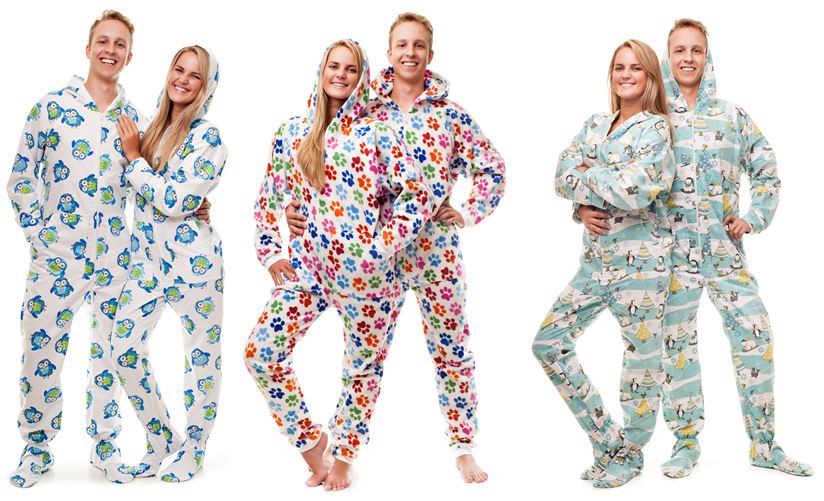
When thinking about fashion centers, one generally thinks about Milan, Paris, London or New York and not about Vilnius or Lithuania. However Vilnius is home to many innovative designers. It is also the manufacturing hub for several European brands. For many, Vilnius is attractive due to the combination of European quality and lower costs compared to many other European countries. To find out more, I had a chat with American Gene Emmer, living in Vilnius since 2008, owner of the company that makes the Kajamaz adult footed pajamas.
Read more...- Bookmark :
- Digg
- del.icio.us
- Stumbleupon
- Redit it

- Posted by - (0) Comment
African living in
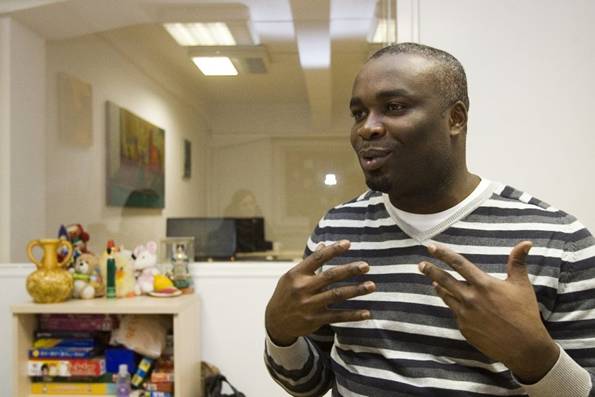
In an effort to build a closer relationship with the locals, Lithuania’s African community appealed recently to the Vilnius municipality,
“We are planning outreach centers where young people could play pool, socialize and do many other activities together which would not cost a lot of money. Also, we would have a place to invite students because currently we ourselves are visiting Lithuanian schools – we do not have the locations where to develop these positive
READ FULL ARTICLE IN “THE LITHUANIA TRIBUNE”
- Bookmark :
- Digg
- del.icio.us
- Stumbleupon
- Redit it

- Posted by - (5) Comment
Lifestyle of an American-
Finnish-Lithuanian family
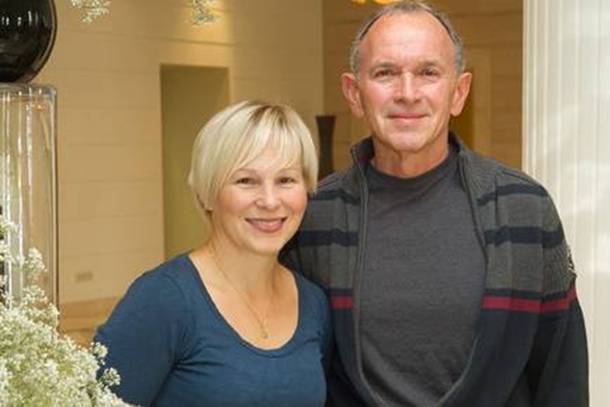
LITHUANIAN-AMERICAN ATTORNEY MARIUS JAKULIS JASON
WITH HIS WIFE LIISA LEITZINGER FROM FINLAND
By Liisa Leitzinger
Our family has lives in Finland, US and Lithuania. All these countries are different, Finland organized and safe, USA multicultural and full of opportunities and Lithuania full of charm and change. The best quality for the money in life is in Lithuania, but also in mental level, Lithuania is still the country where individuals can make a change, individual matters and has a voice. Benefits of a small country.
I came to Lithuania from Finland 20 years ago. Raising three boys, freelance work as a Vilnius city guide for Finnish tourists and keeping an eye on little guest house Mano Liza kept me busy at the beginning, later I got Bachelor’s Degree in history from Vilnius University and was a co-founder of Vilnius International School. Little shop Dancemakers for dance clothing and shoes together with my brother was another niche I found in Lithuanian market. As kids got older and businesses established, I got a bit homesick of Finland and started spending time more there studying for Master’s Degree in Helsinki University. I never get tired of comparing my efficient Scandinavian home to my often bohemian adopted country.
Read more...- Bookmark :
- Digg
- del.icio.us
- Stumbleupon
- Redit it

- Posted by - (0) Comment
More and more young
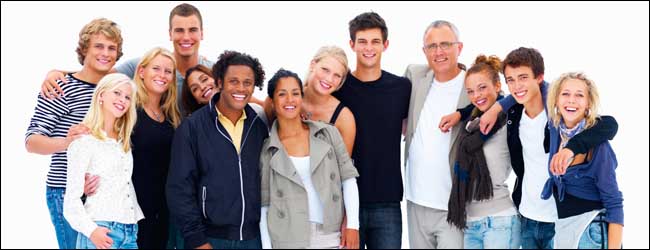
It has in recent years been focused a lot on young people who emigrate from Lithuania. But the fact is that now there are many young people who travel here to study and work. A dynamic, vibrant environment of young people from many countries is already in full swing, and increasing numbers of youngsters are finding that Lithuania again is about to become the exciting melting pot this country was for centuries.
Foreign youngsters in Vilnius now also have their own Facebook
- Bookmark :
- Digg
- del.icio.us
- Stumbleupon
- Redit it
- Posted by - (10) Comment
Can good come
from selfishness?
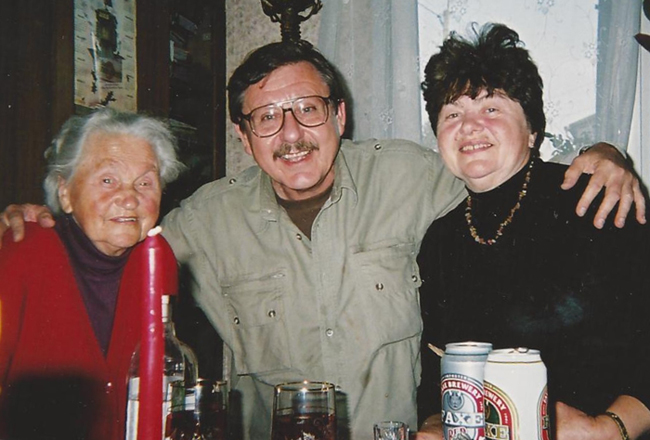
During a trip to Lithuania a few years ago, Boris went to the North Lithuanian city of Siauliai to see his grandmother’s sister before she died. At 97 she was the oldest surviving member of his family.
By Boris Vytautas Bakunas
I want to tell you a true story. During a trip to Lithuania a few years ago, I drove to the city of Siauliai to see my grandmother’s sister before she died. At 97 she was the oldest surviving member of my family.
My reason for visiting her was not only selfish, but it was based on an illusion. By meeting her, I believed that I could reconnect in some mysterious way with my grandmother whom I had loved very much. My motive was selfish because I visited the old woman so I could feel good. I did it for me, not for her.
I didn’t really expect any reaction greater than customary courtesy and perhaps even mild interest. Was I surprised!
When I entered the small cottage where she lived with her daughter and her son-in-law, I saw a table decked with delicacies, juice, brandy, and beer. A bright red candle had been lit in my honor. The room was so small that we had to huddle closely together around the table. My great aunt and my cousin sat beside me.
I quickly sensed that age had taken a toll on her faculties. “How nice it is to see you again,” she kept saying over and over as if I had just walked through the door.
As I looked at her worn, wrinkled face, battered by years of hard living, I saw a gleam in her eyes that beckoned back to the beautiful young girl she had once been. Her eyes shone like drops of morning dew after a cold night. All the while I was there, she kept looking gently at my face. Her soft sliver of a smile threw gentleness and love my way. I thought of an aged Mona Lisa.
After my cousin and her husband went into the garden, my cousin asked, “Do you know why my mother kept staring at you like that?”
“No, tell me,” I said.
“She thinks that you are her son, and you’ve just returned home from a trip.”
Her son had died years ago.
Was I disappointed? Did I feel bad that I had come too late for my great aunt to recognize me, or even remember that I existed?
Not at all! Instead my heart surged with amazement at this mysterious life we lead. I had made this journey out of selfishness – to satisfy my own desire. I wanted this meeting for myself, not for her.
But my selfishness, born out of the illusion that I could once again feel the glow of my grandmother’s love, had created joy in the heart of another human being, a joy also born out of the illusion that I was her long lost son.
I did see my grandmother’s love once again. I saw it in her aged sister’s eyes. And she saw her son.
Even out of illusion and selfishness good can come. What a mysterious existence we live!
- Bookmark :
- Digg
- del.icio.us
- Stumbleupon
- Redit it
- Posted by - (3) Comment
|
PENNSYLVANIA-LITHUANIA Read below her story about Kaunas. |
 Hordes of Lithuanians came to Pennsylvania to work in coal mines in the late 1800s Hordes of Lithuanians came to Pennsylvania to work in coal mines in the late 1800s |
 The Pennsylvanian “Knights of Lithuania” keep on fighting The Pennsylvanian “Knights of Lithuania” keep on fighting |
 Movie Star Charles Bronson (1921-2003) Movie Star Charles Bronson (1921-2003)Son of a Lithuanian coal miner from Pennsylvania |
Kaunas seen through
Pennsylvanian glasses
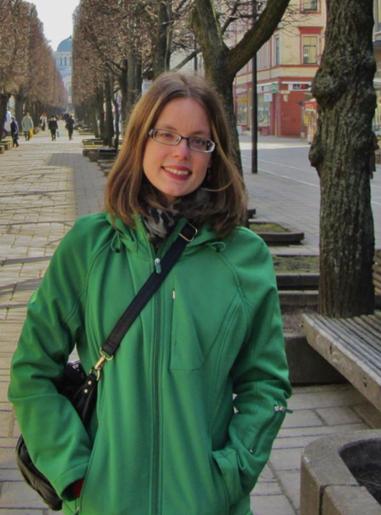
By: Carol A. Luschas, Kutztown, Pennsylvania
Lithuania is a remarkable country with a fascinating history! It is located in the geographical center of Europe. One can discover buildings from the Gothic, Renaissance, Baroque, Classical, and Art Nouveau periods. There are unique museums, enchanting castles, specialty shops, quality restaurants, and affordable accommodations. The Lithuanian landscape is dotted with picturesque lakes, small rolling hills, and thick lush forests.
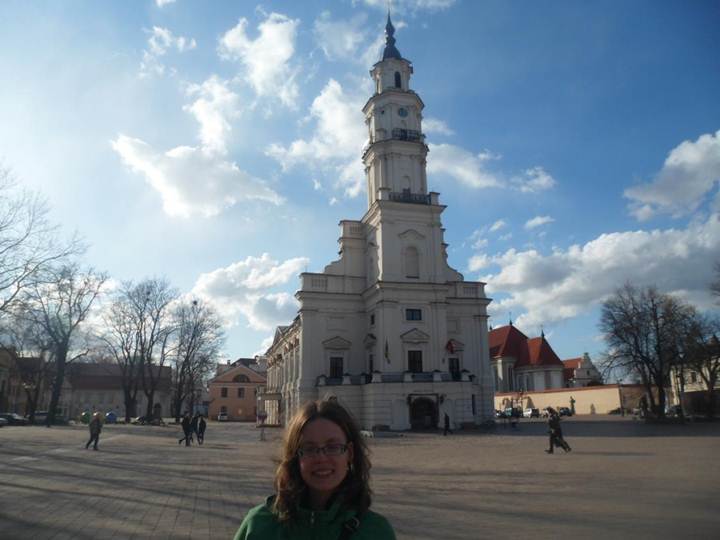
I decided to embark on a trip to Lithuania to visit my boyfriend, Mindaugas, and his mother, Irena. I spent the majority of my time in Kaunas, the second largest city in Lithuania. Senamiestas or the "Old Town" is small but cozy. Tourists can enjoy strolling clean, peaceful medieval cobblestone streets, while admiring beautiful buildings. Vilnius Street (Vilniaus Gatve) is the most popular street in the Old Town. It is filled with chic restaurants, cafes, art galleries and souvenir shops. I really enjoyed shopping and eating in the "Old Town!" The "Town Square" is the most picturesque area! During the spring and summer months wedding parties can be spotted outside the town hall. It is the BEST place in the "Old Town" for a Kodak moment!
The Kaunas Castle is the 13th century building, built by Kestutis to defend the road to Trakai. Today this small castle has been renovated and modernized. Inside the castle art exhibits can be seen. There is also a lovely bridge over the former moat. One will enjoy taking pictures of the beautiful and historic landmark. It is a very lovely spot
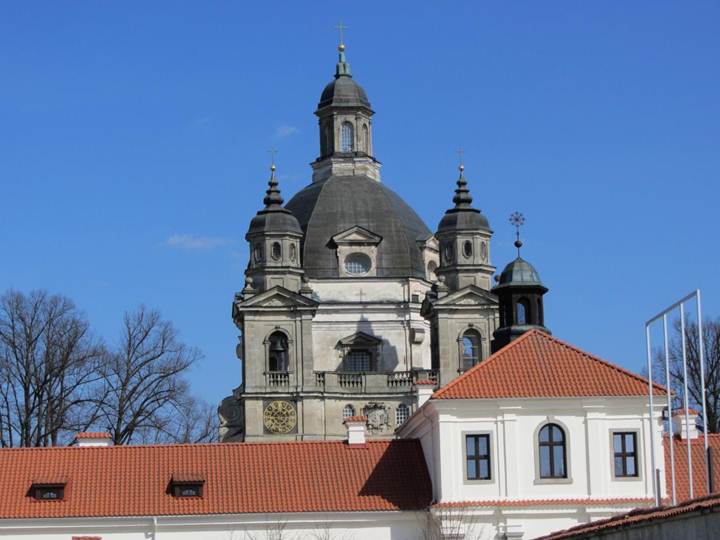
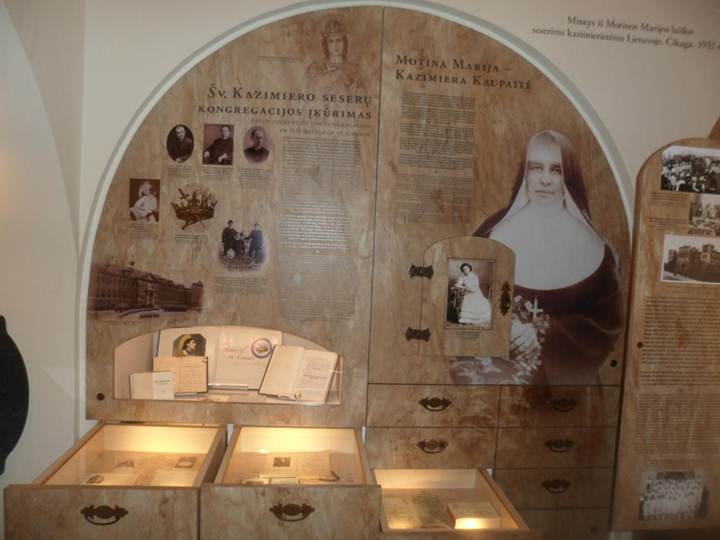
There are a countless number of stunning Churches in Kaunas. Christ's Resurrection Church is just one of them and is a breathtaking white beauty! The church was designed during Lithuania's independence when Kaunas was the capital. After the Soviets took control of the country the unfinished church was converted into a radio factory. It was later completed after independence. Great panoramic views of the city can be seen! Pazaislis Monastery Complex is the “Baroque Masterpiece of Kaunas.” It is a functioning monastery occupied by the Sisters of St. Casimir. It boarders the western tip of the Kaunas Sea or Kauno Marios. The interior of the church is jaw dropping, a true wonder of the world! There is a lovely new museum which traces the history of the church and the origin of the Sisters of St. Casimir and its founder, Mother Maria Kaupas.
Laisves Aleja is a lovely street in the “New Town” with cafes/restaurants and shops. I like the fact that is closed to traffic and can be enjoyed by foot. The street is lined with trees making it very green and beautiful during the spring and summer months. It needs some care and renovation, but it is still very nice!
You will never get hungry in Kaunas! Hundreds of cafes, restaurants and bars will be able to satisfy your hunger. Visitors can feast upon Lithuanian, Italian, French, German Chinese, and Japanese cuisine. The prices are pretty cheap compared to western and American cities. You will “eat like a king and pay like a pauper.” Berneliu Uzeiga is located in the cozy "Old Town" of Kaunas. Waiters and waitresses are dressed in beautiful traditional Lithuanian costumes. I had a mouthwatering chicken with cream sauce and apple pie with vanilla ice cream. I highly recommended this restaurant for a true taste of Lithuanian cuisine.
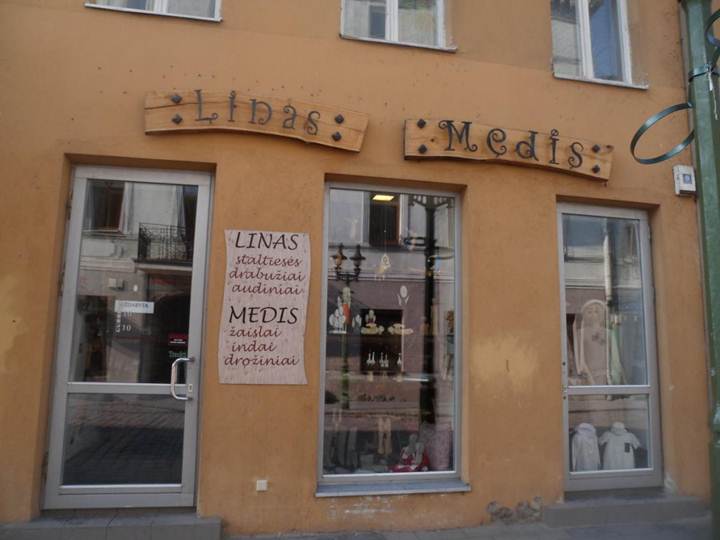
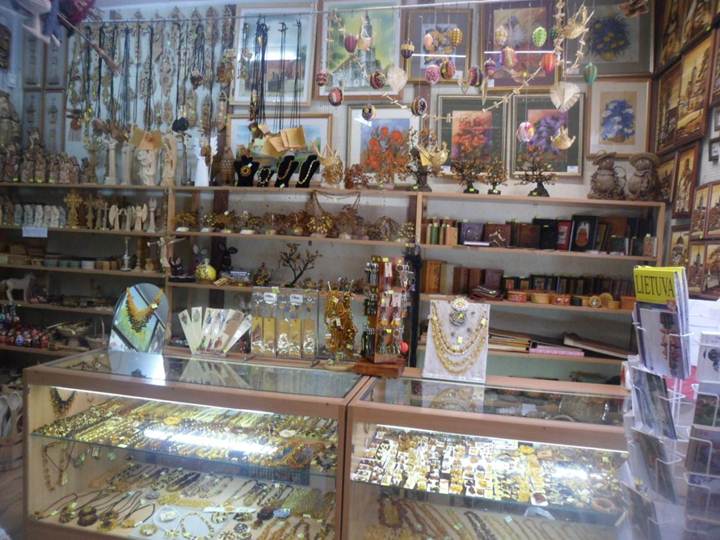
Shopping is simply a JOY in this city! The OLD TOWN is bursting with art galleries and unique specialty shops with souvenirs HANDMADE in Lithuanian, NOT China. The Kaunas Akropolis Shopping Centre is truly a shopping paradise and the nicest mall I have ever seen! This high-class multiplex has EVERYTHING your heart desires! Clothing, shoes, books, electronics, jewelry, perfume, restaurants, cafes, cinema and even an ice rink! The clothes are extremely fashionable and well designed.
Mega is another topnotch shopping center! It is not as large as the infamous "Akropolis" but it has a lovely array of shops and restaurants to choose from. Bajoru Kiemas and Charlie Pizza are my favorite restaurants in MEGA.
There is also a lovely cinema with comfortable stadium seating. Guests can
purchase sweet or buttered popcorn, beverages, and beer before they enter the
theater. I was surprised because alcoholic beverages are usually NOT allowed in
the US depending on the state you live in. What a pleasant difference!
A gorgeous RIMI supermarket is also housed in the complex. It happened to be
one of the nicest food markets I have seen! It would be hard to find anything
comparable in the US. The market is clean and well-kept with an abundance of
products that are displayed beautifully!
Rumsiskes Open-air museum outside of Kaunas is worth a visit. I was transported back in time and learned how Lithuanians lived in the 19th and 20th century. The museum is divided by the four major ethnic regions in Lithuania: Aukstaitija, Zemaitija. Dzukija, and Suvalkija. It is best to visit in midsummer when the flower gardens are in bloom. During my visit I was able to stop in a shop that sold hand-made pottery. There is also an interesting amber shop as well. I highly suggest a guided tour.
I had an exhilarating time in Lithuania and was pleasantly surprised with Kaunas. It is definitely a city worth seeing! There are plenty, museums, restaurants and cafes to keep everyone on your list happy. Plus the prices are extremely reasonable and less expensive than the capital, Vilnius. The Old Town is cozier and walkable making it easy to explore. I loved strolling from the Old Town to Laisves Alelija. Kaunas is slowly being renovated and is blossoming into a stunning city that is just waiting to be discovered!
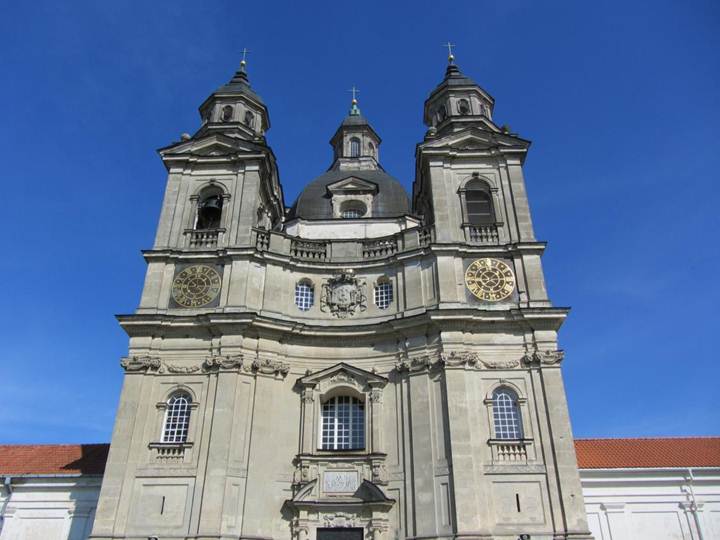
ABOVE
AND BELOW: Pazaislis Monastery Complex is the “Baroque Masterpiece of Kaunas
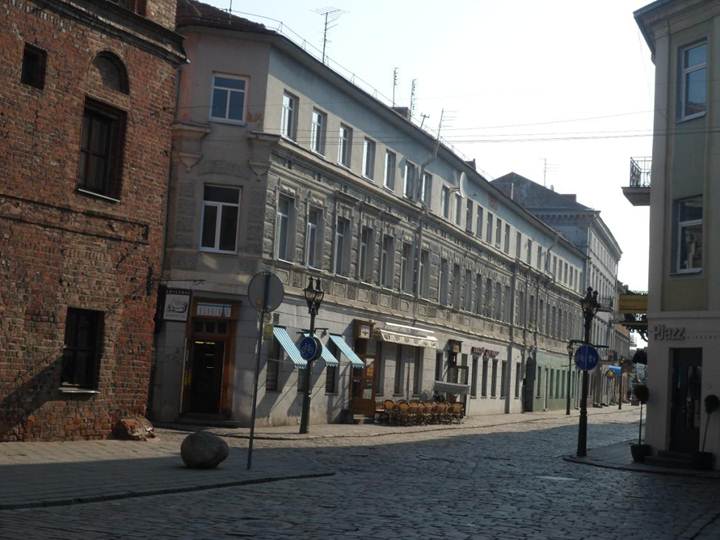
Vilnius
Street (Vilniaus Gatve) is the most popular street in the Old Town
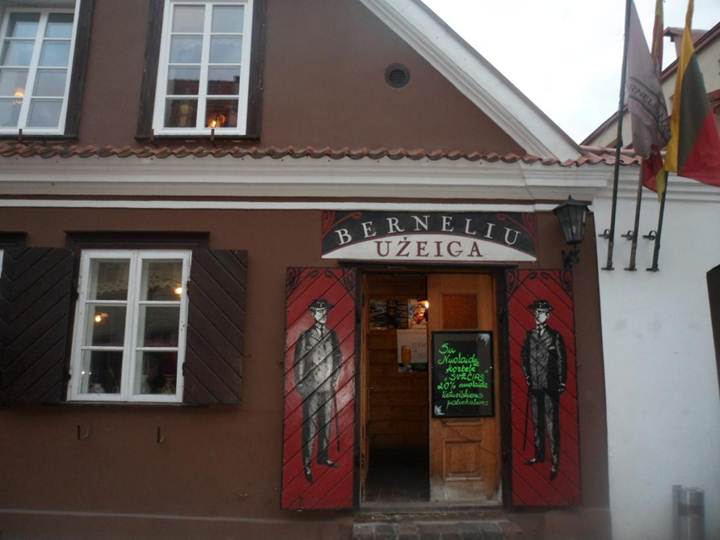
Berneliu
Uzeiga is located in the cozy "Old Town" of Kaunas
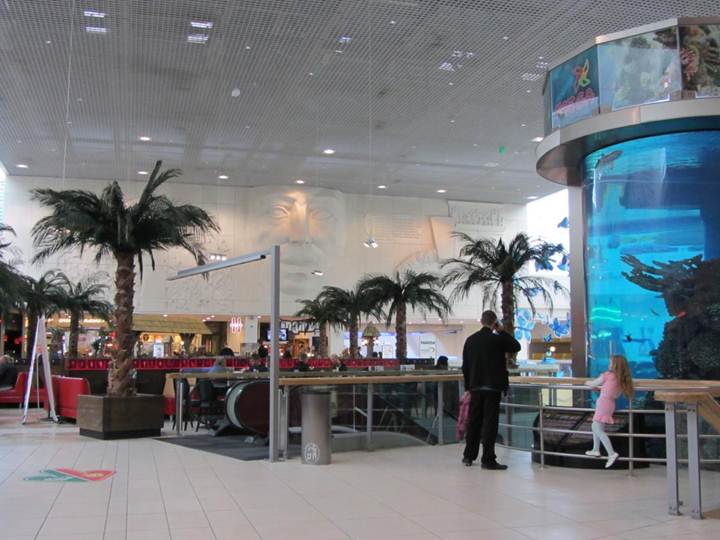
Mega is
another topnotch shopping center!
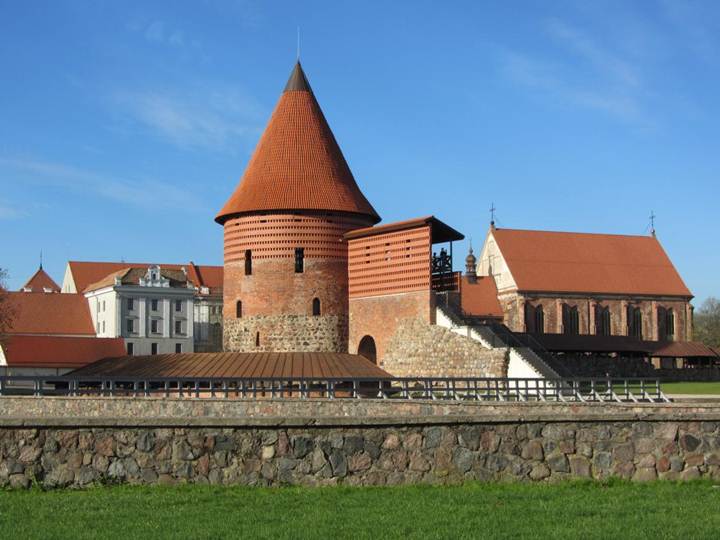
The
Kaunas Castle is the 13th century building, built by Kestutis to defend the
road to Trakai
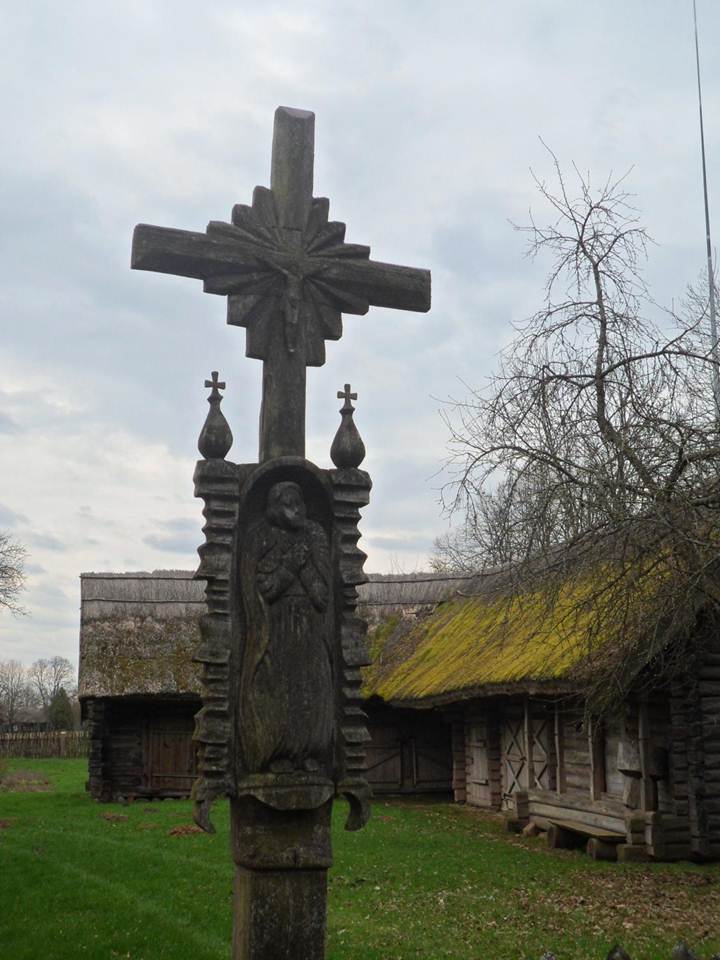
Rumsiskes
Open-air museum outside of Kaunas is worth a visit!
- Bookmark :
- Digg
- del.icio.us
- Stumbleupon
- Redit it
- Posted by - (5) Comment
| My name is Erica, |
| ||||||
VilNews has earlier written about the extraordinary Italian – Lithuanian relationship since 1323, mentioning that Vilnius over centuries was known as ‘The world’s most Italian city outside Italy’ and ‘Europe’s most Baroque city north of the Alps’. Today we tell a contemporary Italian-Lithuanian story, penned by Erica (30) from Bologna in northern Italy. You can also find her story in Italian, at her blog https://mybaltics.wordpress.com/
| |||||||


Erica’s Lithuanian story:
In 2009 I spent the spring time in Lithuania. I fell in love with this country, and here is why.
My name is Erica, I am 30 and I write from Italy. Three years ago I got the chance to be selected within the European program “Marco Polo” [1] for an internship as translator at Via Hansa Vilnius UAB [2], a major tour operator.
For my first real European experience I was confronted with a world which I honestly barely knew. So I left with two huge suitcases and a very superficial knowledge of Lithuanian language and culture with 15 fellows flying to Vilnius, which that year happened to be the “European Capital of Culture” [3], a lucky and appreciated coincidence.
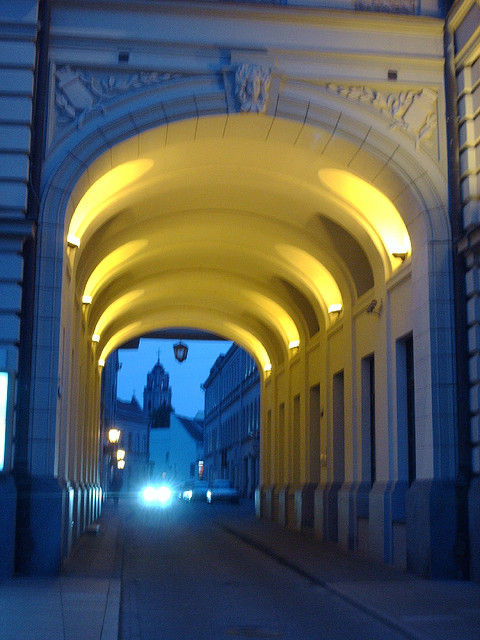
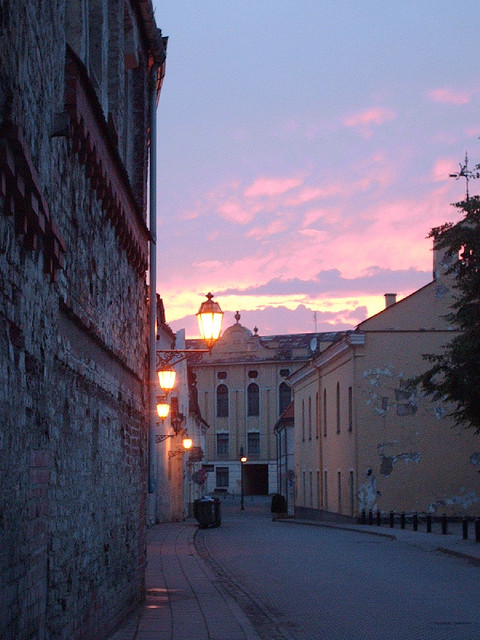
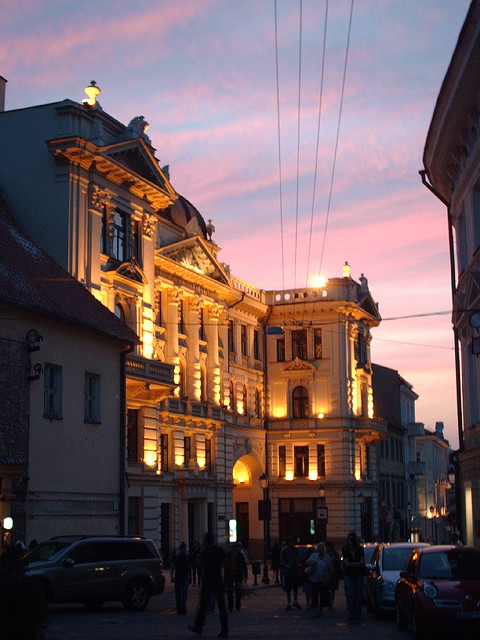
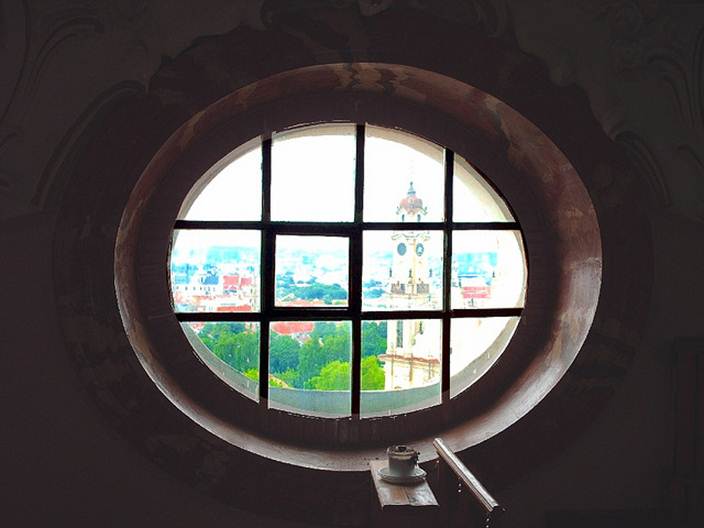 Vilnius through an Italian camera lens
Photo: Erica from Bologna, northern Italy
The first days were not easy, mostly because of the tough climate and the nordic cuisine, but after a while things went better; also because, I suspect, we were getting cool advices both from the tutors of Mec Baltic UAB [4], where we were attending a course of Lithuanian 101, and from other locals we were getting to know, in my case the girls working at Via Hansa.
Getting to stay in a flat in old town, near the Vilniaus rotušė, meant being able to reach any destination easily, beside having the chance to live in a dreaming contest for any art lover.
So, what can young people do in the Lithuanian capital? Well, we liked gathering in the late afternoon in some park to chat a bit and watch the sunset, or spending the evening in the most popular clubs downtown, the ones usually packed up with young boys and girls, university or Erasmus students. But in my free time I did much, much more.
- I explored all the Old Town (on foot of course and taking a map with me from the first to the very last day) and part of the most modern suburbs, until I learned streets and places by heart;
- I took pictures day after day of what struck me most, a habit that I don't usually have, and I collected my favourite shots on my Flickr account [5];
- I visited churches, monuments, cemeteries, parks and whatever looked interesting after reading about it on Vilnius In Your Pocket [6], my definitive reading since day 1;
- I travelled around the country – and beyond, since I also took a trip to Riga – to discover the many faces of the “rainy land”: Nida, Klaipeda, Palanga, Trakai, Kernavė, Purnuškės... (and boy, wasn't it raining cats and dogs while I was visiting the coast...)
I felt like I was living in a sort of big village: maybe I did not know the neighbours, but life seemed easier, stressless, I walked a lot, I felt secure even at night alone in the street, I shopped at small shops near home, I took part to the events planned for Vilnius '09, including the amazing “Tebūnie Naktis”. And sometimes, while watching the old ladies selling flowers in the streets, I almost thought I could find my grandmother among them...
I chose to dine sometimes at the canteen near Šv. Onos bažnyčia, to get the chance to taste truly local dishes (more than Šaltibarščiai or cepelinai, today I miss the taste of grietinė, varškė, kibinai), and I am proud I did that.
I am glad I explored so much on my own and taking some time for me every day for things like reading a book while sitting on the bank of the Vilnelė or enjoying a dessert in the cozy atmosphere of a Double Coffee.
So yes, I have fond memories of my staying and often long to go back. I know that for many colleagues of mine it is not the same at all, while others... did go back at some point: Lithuanian girls have charming powers!
My impression is that the Lithuanian people is “young” but painfully aware and proud of its history and independence.
Unlike what happens elsewhere these years, young people in Vilnius find a job early, they start a family quite soon, their children look much more well-mannered than here in Italy, and generally speaking people just look more relaxed.
But these young people too look conscious of what it took to be finally free, and willing not to waste the chance of living in a country which looks forward, but always paying attention to the past and to the traditions.
I felt like I could breath the attachment to their nation, to their flag, to the historic dates everybody knows very well, children included, but always under a modern europeism optic, in a city where skyscrapers and hovels coexist, in a state which tries to invest in tourism, the way to meet the world par excellence.
If I think back to my experience, I can't help noticing some contrasts with the reality I live in.
For example, it is strange for me to realize that in the capital a taxi is such a cheap mean of transportation, and that it is also cheaper when booked by phone; that a SIM for your mobile phone is sold at a laughable price, including traffic; that you can attend the première of a ballet in the most important theater of the city shelling out the sum that you would use in my country to buy, say, a women's weekly magazine. I also noticed that shops do not have those family packs so popular here and that much attention is paid to wastages; water cooler bottles instead than regular ones, and little assortment of throwaway kitchenware. Napkins are also hard to find in restaurants!
I find it funny that practically each city there brews its own beer, and that many can even think that it is normal to put so much garlic in tomato sauce for pizzas!
It was odd to notice that the immigration is barely noticeable as it mainly regards people from close ethnic groups/countries, and that the beggars you might happen to meet are local old people or young drug addicts.
I still don't get how a house might miss curtains and shutters, when in the summer there can be up to 23 hours of daylight.
I found it amazing that the folk groups coming from all the corners of the country for the “Skamba skamba kankliai” looked more interested in watching other groups' shows (although the dialect could be so different that they might barely understand it) then performing, as a mark of the national unity.
I condemn that a programme so impressive, involving and full of events like Vilnius '09 was quickly forgotten and its traces on the web deleted by winding down its official site. This is a lack of respect for memory, at the very least.
I was always surprised by the vivid colors of the sunset and, while thinking it could not possibily get more beautiful than that, by the appearance of one, two, three, several hot air balloons in the sky, so close I could almost touch them, making the view unreal.
[1] http://ec.europa.eu/education/lifelong-learning-programme/ldv_en.htm
[2] http://www.viahansa.com/index.php?m1=9&lang=2&ava=1
[3] http://ec.europa.eu/culture/our-programmes-and-actions/doc2485_en.htm
[4] http://www.mecbaltic.com/index.php
[5] http://www.flickr.com/photos/39635483@N06/
[6] http://www.inyourpocket.com/lithuania/vilnius
More Erica photos:
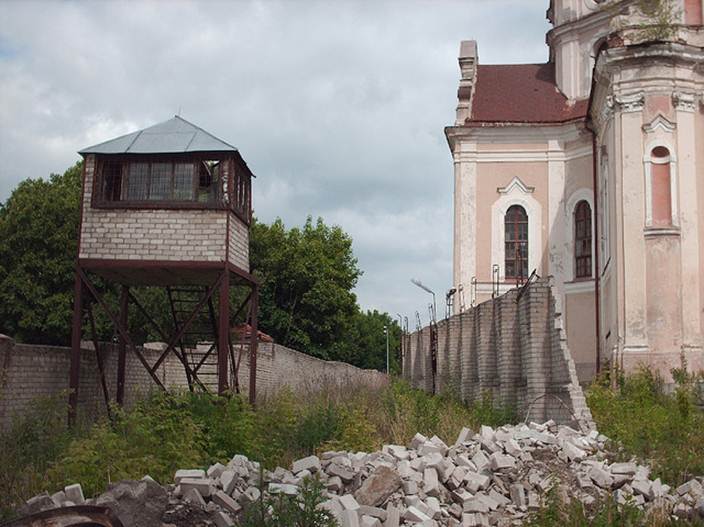
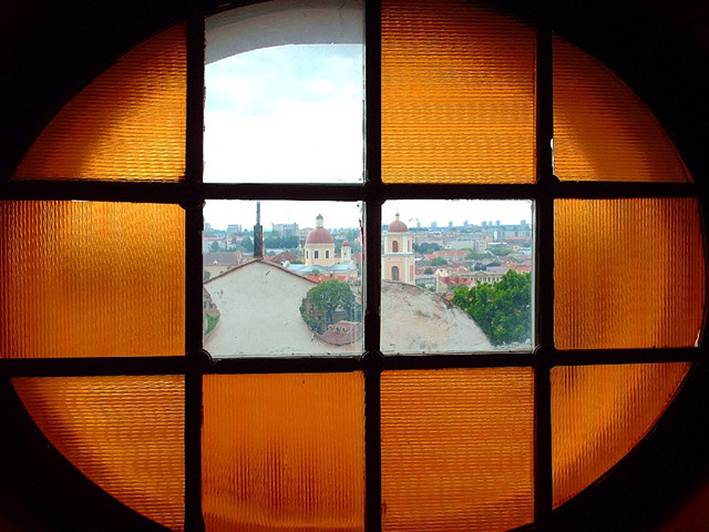
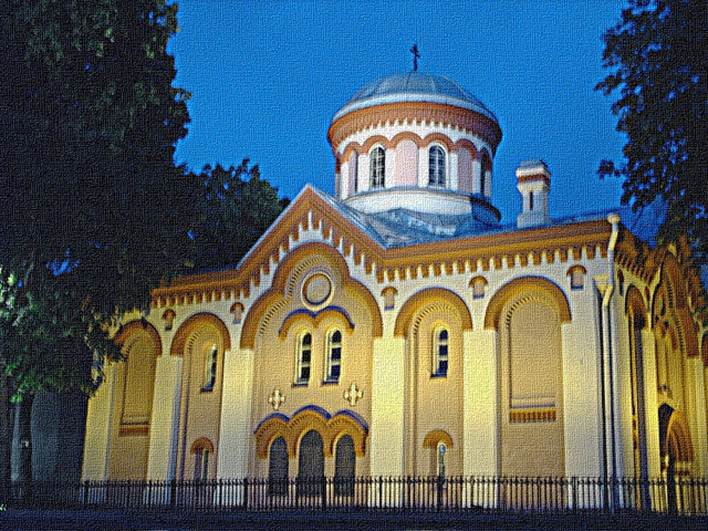
- Bookmark :
- Digg
- del.icio.us
- Stumbleupon
- Redit it
Text: Aage Myhre
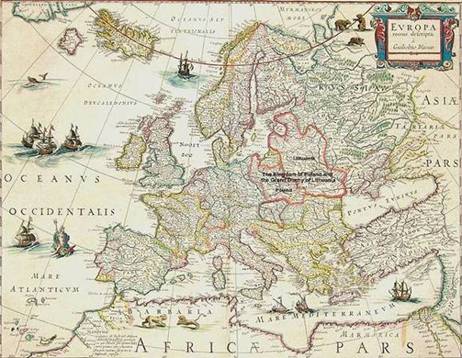
International Lithuania got its “flying start” already in 1323, when Grand Duke Gediminas founded Vilnius as Lithuania’s capital city, and immediately decided to invite merchants, craftsmen, bankers, farmers, and soldiers from all Europe to come to the new capital, guaranteeing all freedom of beliefs and good working conditions. Vilnius became international, though with less of German or Scandinavian influence, as one could expect, rather influenced by Rome – greatly different from the other two Baltic capitals.
- Bookmark :
- Digg
- del.icio.us
- Stumbleupon
- Redit it
- Posted by - (1) Comment
Many nations have had
a strong influence in
and on Lithuania
VilNews will this autumn and winter publish articles about impacts of foreign nations and cultures here in Lithuania. We also welcome you, dear readers, to share with us information you may have about ‘foreign footprints’ in Lithuania.
Please write us with your ideas and comments!
The illustrations below show some characteristics of the nations we will be writing about, in combination with the Lithuanian flag colours...
The articles marked blue have already been published
(click to read them)
 ARTICLE NO. 1 HUNGARY |
 ARTICLE NO. 2: ITALY |
 ARTICLE NO. 3: KARAIMS |
|
 ARTICLE NO. 4: DENMARK |
 ARTICLE NO. 5: JAPAN |
 ARTICLE NO. 6: CANADA |
|
 ARTICLE NO. 7: GERMANY |
 ARTICLE NO. 8: CHINA |
 ARTICLE NO. 9: INDIA |
|
 ARTICLE NO. 10: SWEDEN |
 ARTICLE NO. 11: TATARS |
 ARTICLE NO. 12: USA |
|
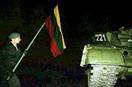 ARTICLE NO. 13: RUSSIA |
 ARTICLE NO. 14: BELARUS |
 ARTICLE NO. 15: ICELAND |
|
 ARTICLE NO. 16: TURKEY |
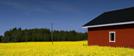 ARTICLE NO. 17: FINLAND |
 ARTICLE NO. 18: THE UK |
|
 ARTICLE NO. 19: NORWAY |
 ARTICLE NO. 20: POLAND |
 ARTICLE NO. 21: FRANCE |
|
|
|
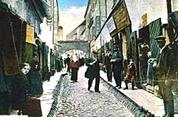
ARTICLE NO. 22: THE LITVAKS (LITHUANIAN JEWS) |
||
- Bookmark :
- Digg
- del.icio.us
- Stumbleupon
- Redit it
I found my family!
- Posted by - (0) Comment
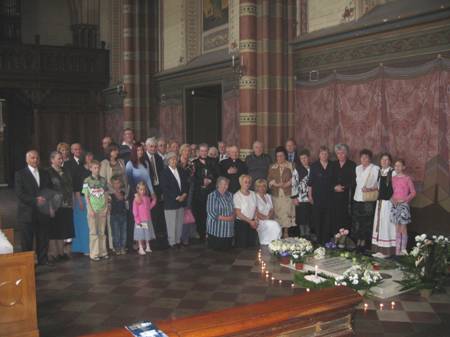
My first meeting with my family in Lithuania
- we had been searching for 90 years
By KR Slade
It's Saturday, 28 May 2005, 6pm, in Lithuania. I've just returned to my room in the capital city, Vilnius, from my nine-hour day-trip to Kaunas, Lithuania's second-largest city. Kaunas had been the capital of the first Republic of Lithuania, during the inter-world-wars period, and is 90+ percent ethnic-Lithuanian -- compared to 60 percent in Vilnius. Lithuania is, now and since 1990, in its ‘third’ republic, again free, after its second -- and fake --‘Lithuanian Soviet Socialist Republic’, when it was occupied and annexed by the Union of Soviet Socialist Republics. Kaunas is called ‘the heart of Lithuania’, especially by the people of Kaunas. Today is a very special day for my family in Lithuania: the fifth anniversary of the death of our family’s Cardinal Vincentas Sladkevicius.
- Bookmark :
- Digg
- del.icio.us
- Stumbleupon
- Redit it
- Posted by - (0) Comment
The
village
voice…
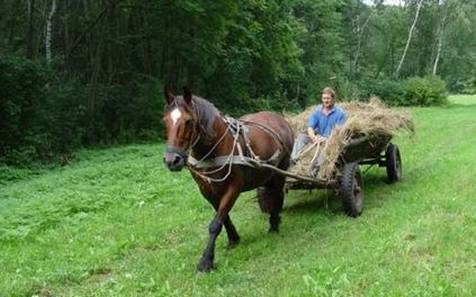
VilNews is from time to time brining articles under the heading 'The Village Voice'. The articles are written by a retired Englishman, David Holliday, who for the past sixteen years has lived with his wife Migle in the village Lapiai 30 km from Klaipeda. We believe that you, dear reader, appreciate David's subtle tales and stories from his life out there – so far off the beaten track...
- Bookmark :
- Digg
- del.icio.us
- Stumbleupon
- Redit it
Drunk as a skunk!
- Posted by - (0) Comment

By Barbara Isherwood
I thought I would share this with you all. What an exciting country Lithuania is!!
Yesterday evening, as I looked out of my dining room window, I noticed a lot of smoke. It was very close to a new house being built by one of the Iki brothers but behind a huge lilac tree so I could not properly see what the cause was.
I watched for a while and realised that the smoke was actually moving position. I knew I would not be happy until I had found out what was going on.
- Bookmark :
- Digg
- del.icio.us
- Stumbleupon
- Redit it
- Posted by - (0) Comment
How I came to Lithuania 21 years ago
Some private memories by Aage Myhre, VilNews Editor-in-Chief
aage.myhre@VilNews.com
1. Summer of 1990:
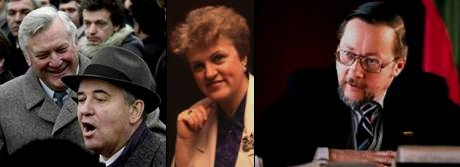
Landsbergis to Norway

2. November 1990:
A Volga journey from Riga
3. Nov 1990: Oil, a girl and a satellite system


4. January 1991:
Soviet rolls back
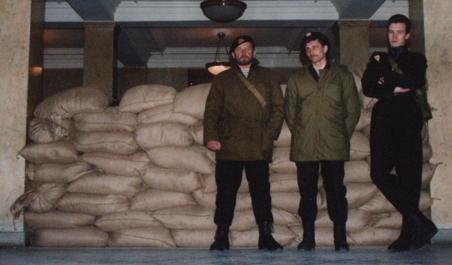
January 1991:
5. With Landsbergis behind barbed wire and homemade barricades
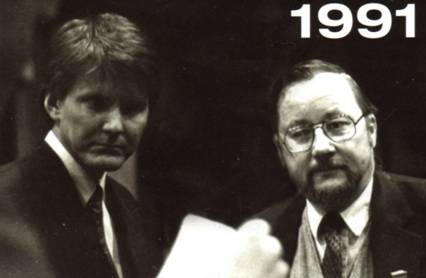
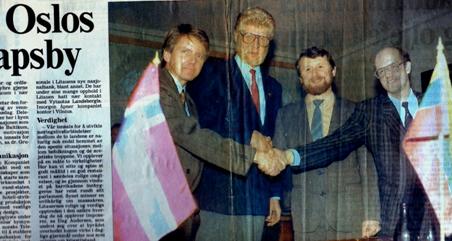
6. 1991: Oslo and Vilnius
become twin cities
- Bookmark :
- Digg
- del.icio.us
- Stumbleupon
- Redit it
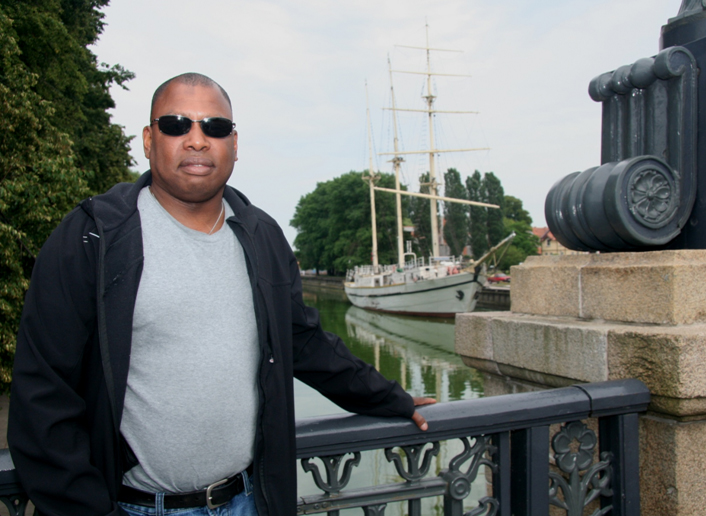
Clifford Lont (47), Chairman of Klaipeda International Business Club, has moved the long way from Suriname in South America to a much colder climate here at the Lithuanian coast.
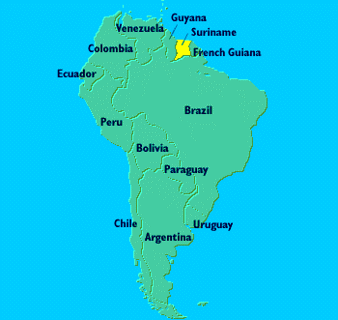
Suriname, Suriname… I search my brain frantically for ancient geography skills ... Clifford Lont sits in front of me at a café table on the left bank of River Dane in the heart of Klaipeda. He has just told me that his native country is called Suriname, located in South America. But where? I have heard the name before, but can not visualize the location on my imaginary map and see finally no other option but to ask him...
And Clifford tells willingly about the country and city he originates from. He tells me that Suriname is a small country of less than 500.000 inhabitants, located near equator in the northeast of the South American continent, bounded by Guyana on the west, French Guyane on the east and Brazil to the south. He tells that Suriname is set in a natural tropical wilderness, a splendid combination of the Caribbean and South America, with fascinating reminders of a sometimes turbulent past Influenced by numerous cultures - African, Amerindian, Asian, Jewish and Dutch. The country was earlier a Dutch colony.
He tells me that his former homeland is dominated by mighty rivers which provide essential highways into the rainforest and jungles of the interior, which remain virtually untouched by man.
Clifford was born and grew up in Suriname’s bustling capital and port city, Paramaribo, at the Suriname River estuaries.
|
|
|

Clifford tells me that his home country got its independent when he was 11 years old, in 1975, but that a military coup five years later again put the country far back, not least financially. The other family members came gradually out of Suriname, to the former colonial ‘masters’ in Holland, while Clifford himself travelled to Georgia in the United States. Here he went to college and obtained eventually a bachelor's degree in sociology.
"There is a person from the time I am infinitely grateful to," tells Clifford with motion in his voice, "Ms. Deen DaySmith, the founder of the Days Inn hotels in the USA. When I came to Georgia, I was of very limited means, and she offered then to pay 80% of my studies through the first half of the 1990s. I can only hope she reads this and understands how grateful I am."
But it was not sociology that would be Clifford's further path through life. During the study period he started to take interest in the construction industry, and in 2000 he had already established his own company within this sector in the U.S. state of Georgia.
"Then, in 2000, she suddenly appeared there, in the state, the woman who would change my life completely. She had come from her hometown Klaipeda in Lithuania to Georgia for a so-called 'work and study programme'. And to make a long story short, we fell in love, and not long after it became clear that she was pregnant. She preferred, however, not to give birth in the United States, and returned to Klaipeda. Also I finally managed to get a visa to Lithuania, and in early July exactly 10 years I set for the first time foot on this country's soil. I managed to get here just in time, because on the ninth of July 2001 our twins, a boy and a girl, were born. "Clifford describes the birth and his now ten-year-old twins with deep father's pride.
"During the ten years I now have lived here I worked in the beginning on the the farm of my father in law in the Kretinga village, later in all sorts of building professions – as a bricklayer, carpenter, electrician and plumber – and sometimes also as a teacher of English."
"Unfortunately, the marriage with my wife came to an end last year, and we are now divorced. I do, however, love my kids so much that I do not want to move from here. Although the winter cold sometimes kills me," tells the man whose skin colour and upbringing under much warmer climes do not seem entirely suited to the Klaipeda sometimes harsh climate.”
Clifford is now working for a Danish company in Klaipeda, Baltic Modules, which produces wall, floor and roof elements for residential buildings in Denmark. He tells me that his dream is to become more and more engaged in design of the buildings they are manufacturing.
"Then, in April 2010, I was elected chairman of the Klaipeda International Business Club and re-elected this year," he tells, informing me that the club now has 56 members, of which 20-25 are active. "I must admit that we first of all is a social club with networking as our core activity. But we also conduct some seminars and other, more professional-oriented activities."
"Clifford, I have two remaining questions for you this Sunday afternoon here at the river edge in Klaipeda," I say to him.
Question number 1: "Do you have something to say to all the young people who are about to leave Lithuania in an emigration flow that seems to have no end?"
Question number 2: "Have you experienced racism here in Lithuania, and what is in case your normal reaction?"
It should be noted that Clifford does not seem to be much hampered by his dark skin colour, even here where so few stand just as much out as he does. He flirts lightly with the waitress in the outdoor restaurant where we sit. He smiles and nods to people passing by. He has obviously become a familiar face to many over the years he has lived here. Then he answers my questions:
1. "Do not run away. Because by doing that you contribute to emptying your home country for dynamic young people and good workers. Stay here. Those who dare to stay behind will be the winners in the end!"
2. “Well, let me first say that many do not know that there are black people also in South America. And to those with racist tendencies I would simply say: Get rid of your taboos. We are all just human beings..."
- Bookmark :
- Digg
- del.icio.us
- Stumbleupon
- Redit it

OPINIONS
Have your say. Send to:
editor@VilNews.com
Ph. D., Chicago
A wave of unity sweeps the international Lithuanian community on March 11th every year as Lithuanians celebrated the anniversary of the Lithuanian Parliament's declaration of independence from the Soviet Union in 1990. However, the sense of national unity engendered by the celebration could be short-lived.
Human beings have a strong tendency to overgeneralize and succumb to stereotypical us-them distinctions that can shatter even the strongest bonds. We need only search the internet to find examples of divisive thinking at work:
- "Those who fled Lithuania during World II were cowards -- and now they come back, flaunt their wealth, and tell us 'true Lithuanians' how to live."
- "Lithuanians who work abroad have abandoned their homeland and should be deprived of their Lithuanian citizenship."

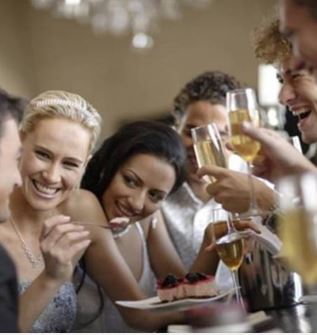
In Lithuania Christmas Eve is a family event and the New Year's Eve a great party with friends!
Lithuanian say "Kaip sutiksi naujus metus, taip juos ir praleisi" (the way you'll meet the new year is the way you will spend it). So everyone is trying to spend New Year's Eve with friend and have as much fun as possible.
Lithuanian New Year's traditions are very similar to those in other countries, and actually were similar since many years ago. Also, the traditional Lithuanian New Years Eve party was very similar to other big celebrations throughout the year.
The New Year's Eve table is quite similar to the Christmas Eve table, but without straws under the tablecloth, and now including meat dishes. A tradition that definitely hasn't changes is that everybody is trying not to fell asleep before midnight. It was said that if you oversleep the midnight point you will be lazy all the upcoming year. People were also trying to get up early on the first day of the new year, because waking up late also meant a very lazy and unfortunate year.
During the New Year celebration people were dancing, singing, playing games and doing magic to guess the future. People didn't drink much of alcohol, especially was that the case for women.
Here are some advices from elders:
- During the New Year, be very nice and listen to relatives - what you are during New Year Eve, you will be throughout the year.
- During to the New Year Eve, try not to fall, because if this happens, next year you will be unhappy.
- If in the start of the New Year, the first news are good - then the year will be successful. If not - the year will be problematic.
* If New Year's night is cold and starry - look forward to a good summer!
* If the during New Year Eve trees are covered with frost - then it will be a good year. If it is wet weather on New Year's Eve, one can expect a year where many will die and dangerous epidemics occur.
* If the first day of the new year is snowy - the upcoming year will see many young people die. If the night is snowy - mostly old people will die.
* If the New Year time is cold - then Easter will be warm.
* If during New Year there are a lot of birds in your homestead - then all year around there will be many guests and the year will be fun.
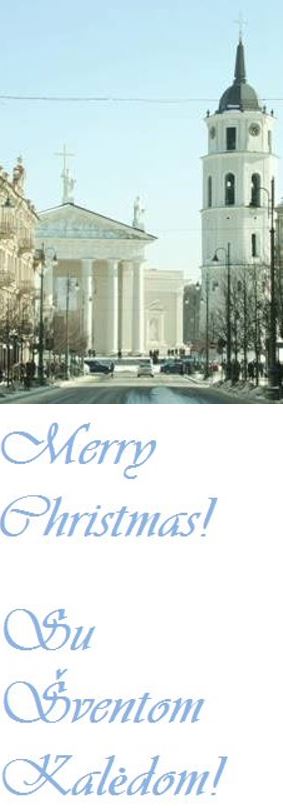
Christmas greetings
from Vilnius
and epic battle for the
future
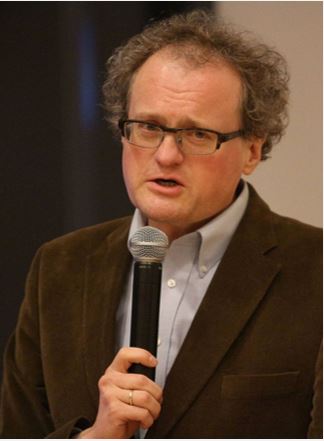
Philosopher, political theorist, historian of
ideas, social analyst, and political
commentator
Ukraine was and continues to be perceived by the EU political class as a sort of grey zone with its immense potential and possibilities for the future, yet deeply embedded and trapped in No Man's Land with all of its troubled past, post-Soviet traumas, ambiguities, insecurities, corruption, social divisions, and despair. Why worry for what has yet to emerge as a new actor of world history in terms of nation-building, European identity, and deeper commitments to transparency and free market economy?
Right? Wrong. No matter how troubled Ukraine's economic and political reality could be, the country has already passed the point of no return. Even if Vladimir Putin retains his leverage of power to blackmail Ukraine and the West in terms of Ukraine's zero chances to accede to NATO due to the problems of territorial integrity, occupation and annexation of Crimea, and mayhem or a frozen conflict in the Donbas region, Ukraine will never return to Russia's zone of influence. It could be deprived of the chances to join NATO or the EU in the coming years or decades, yet there are no forces on earth to make present Ukraine part of the Eurasia project fostered by Putin.
want to learn about the
new, scary propaganda
war between Russia,
The West and the
Baltic States!
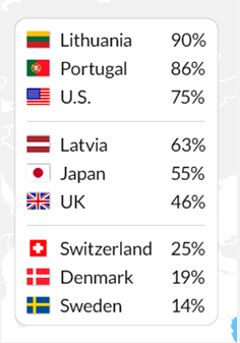
believe their government
is corrupt
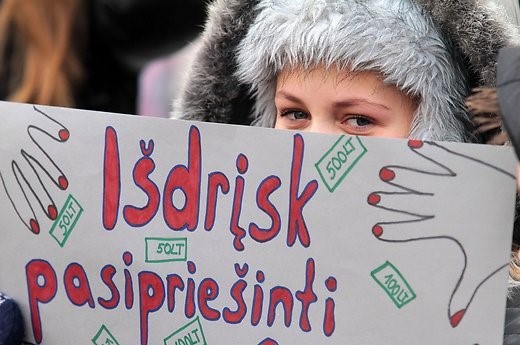
students say no to
bribes for doctors
During Soviet times, government was administered for the people in control, not for the local population, court decisions were decreed, they were not the administration of justice, and academia was the domain of ideologues. 25 years of freedom and openness should have put those bad experiences behind Lithuania, but that is not so.
Today, it is a matter of expectation that court pronouncements will be governed by ideological dictates. Few, if any Lithuanians expect real justice to be effected. For foreign companies, doing business in Lithuania is almost impossible in a situation where business people do not expect rule of law, so, surely Government would be a refuge of competence?
Lithuanian Government has not emerged from Soviet styles. In an attempt to devolve power, Lithuania has created a myriad of fiefdoms of power, each speaking in the name of the Government, each its own centralized power base of ideology.

Chepstow, Wales
Doesn't that sound suspiciously like Lithuania? Ah, but I didn't mention the mountains of Snowdonia, which would give the game away.
I'm talking about Wales, that part of the UK which Lithuanians used to call "Valija", but later named "Velsas" (why?). Wales, the nation which has welcomed two Lithuanian heads of state to its shores - firstly Professor Vytautas Landsbergis, who has paid several visits and, more recently, President Dalia Grybauskaitė who attended the 2014 NATO summit which was held in Newport, South Wales.
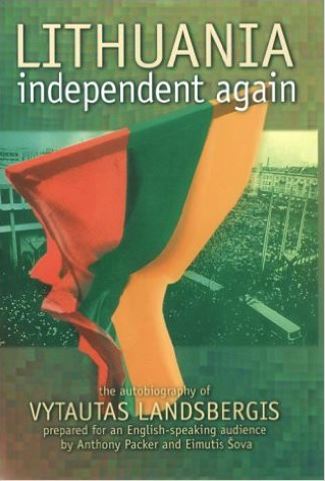
ENGLISH VERSION OF THE
AUTOBIOGRAPHY OF VYTAUTAS LANDSBERGIS.
Although Lithuanian activities have thinned over the decades as that postwar generation died out, the Lithuanian Martyrs' parish hall is crowded with many, many hundreds of visitors who come to the Lithuanian cemetery for All Souls' Day. Similarly, the Franciscan parish has standing room only for Christmas Eve mass.
Although I am firmly embedded in the literary culture of Canada, my themes are usually Lithuanian, and I'll be in Kaunas and Vilnius in mid-November 2015 to give talks about the Lithuanian translations of my novels and short stories, which I write in English.
If you have the Lithuanian language, come by to one of the talks listed in the links below. And if you don't, you can read more about my work at
www.anatanassileika.com
http://www.vdu.lt/lt/rasytojas-antanas-sileika-pristatys-savo-kuryba/ https://leu.lt/lt/lf/lf_naujienos/kvieciame-i-rasytojo-59hc.html
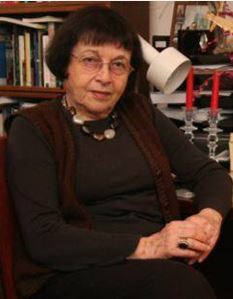
"My love and best wishes to all. As long as VilNews exists, there is hope for the future,"" she writes.
Irena Veisaite means very much for our publication, and we do hereby thank her for the support and wise commitment she always shows.
You can read our interview with her
Facing a new reality
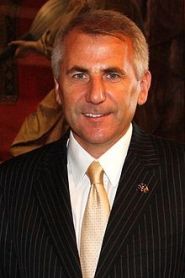
Dear readers of VilNews,
For a number of years, the EU and Russia had assumed the existence of a strategic partnership, based on the convergence of values, economic integration and increasingly open markets and a modernisation agenda for society.
Our agenda was positive and ambitious. We looked at Russia as a country ready to converge with "European values", a country likely to embrace both the basic principles of democratic government and a liberal concept of the world order. It was believed this would bring our relations to a new level, covering the whole spectrum of the EU's strategic relationship with Russia.
The likelihood of Putin
invading Lithuania
.jpg "lithuania today")
Founding Director at Summer Literary Seminars
Are all Lithuanian energy
problems now resolved?
Lithuania as a country does not have significant energy resources. Energy consuming infrastructure after WWII was small and totally supported by energy imports from Russia.
First nuclear reactor begins power generation at Ignalina in 1983, the second reactor in 1987. Iganlina generates enough electricity to cover Lithuania's needs and about 50%.for export. As, prerequisite for membership in EU, Ignalina ceases all nuclear power generation in 2009
The Klaipėda Sea terminal begins Russia's oil export operations in 1959 and imports in 1994.
Mazeikiu Nafta (current ORLEAN Lietuva) begins operation of oil refinery in 1980.
Have Lithuanian ties across
the Baltic Sea become
stronger in recent years?
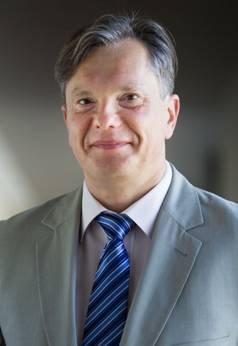
The two decades that have passed since regaining Lithuania's independence can be described as a "building boom". From the wreckage of a captive Soviet republic, a generation of Lithuanians have built a modern European state, and are now helping construct a Nordic-Baltic community replete with institutions intended to promote political coordination and foster a trans-Baltic regional identity. Indeed, a "Nordic-Baltic community" - I will explain later in my text the meaning of this catch-phrase.
Since the restoration of Lithuania's independence 25 years ago, we have continuously felt a strong support from Nordic countries. Nordics in particular were among the countries supporting Lithuania's and Baltic States' striving towards independence. Take example of Iceland, country which recognized Lithuania in February of 1991, well in advance of other countries. Yet another example - Swedish Ambassador was the first ambassador accredited to Lithuania in 1991. The other countries followed suit. When we restored our statehood, Nordic Countries became champions in promoting Baltic integration into Euro-Atlantic institutions. To large degree thanks Nordic Countries, massive transformations occurred in Lithuania since then, Lithuania became fully-fledged member of the EU and NATO, and we joined the Eurozone on 1 January 2015.
Have you heard about the
South African "Pencil Test"?
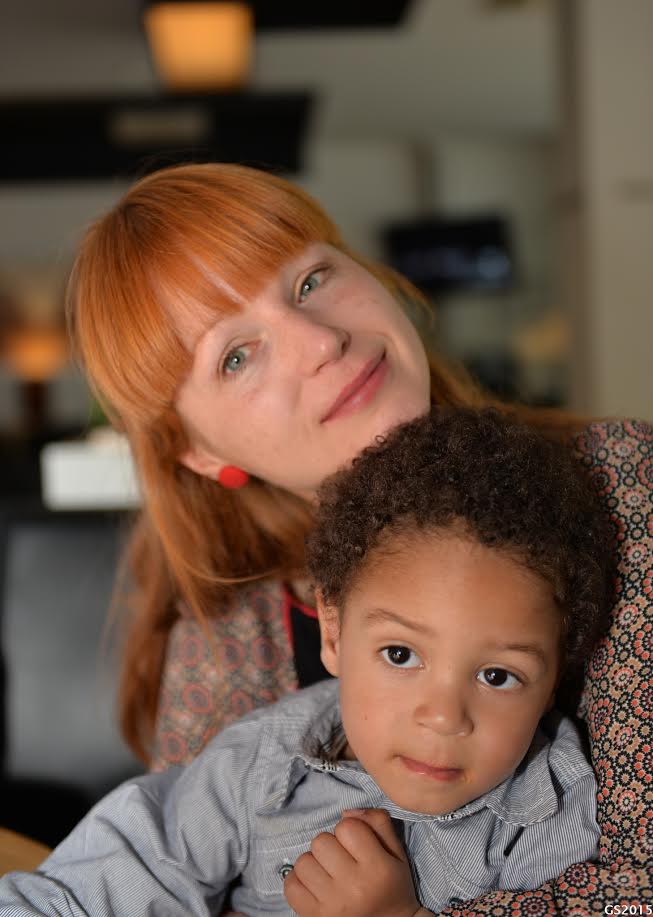
But that is exactly what happened to me when I came back from South Africa. I will tell you how.
VilNews e-magazine is published in Vilnius, Lithuania. Editor-in-Chief: Mr. Aage Myhre. Inquires to the editors: editor@VilNews.com.
Code of Ethics: See Section 2 – about VilNews. VilNews is not responsible for content on external links/web pages.
HOW TO ADVERTISE IN VILNEWS.
All content is copyrighted © 2011. UAB ‘VilNews’.