
THE VOICE OF INTERNATIONAL LITHUANIA

|
VilNews has its own Google archive! Type a word in the above search box to find any article.
You can also follow us on Facebook. We have two different pages. Click to open and join.
 Click on the buttons to open and read each of VilNews' 18 sub-sections Click on the buttons to open and read each of VilNews' 18 sub-sections  |

|


Opinions
Very good article. Thank you Aage!
- Posted by - (18) Comment
Very good article. Thank you Aage!
Lina Petrauskaite Rumskiene
- Bookmark :
- Digg
- del.icio.us
- Stumbleupon
- Redit it

What a refreshing read!
- Posted by - (11) Comment
What a refreshing read! I understand that it is important to focus on current issues, surrounding socio-economic/political issues, but it is also excellent to satisfy the car enthusiasts amongst us. Being one myself, I really enjoyed this issue and will add it to the rest of my VilNews archives!!!
Any chance of a future issue, containing all of the movies that have been made in Lithuania recently? Or perhaps a more current list of all the Lithuanians, who are shaking up the international arena?
Regards,
Eugene Rangayah
London
- Bookmark :
- Digg
- del.icio.us
- Stumbleupon
- Redit it

Exceptionally well written article
- Posted by - (0) Comment
Exceptionally well written article by Vin Karila.
How and may I share this article with my friends on The Lithuanian Rat Pack on Facebook and YahooGroups?
Rimgaudas P. Vidziunas
Mesa, Arizona
- Bookmark :
- Digg
- del.icio.us
- Stumbleupon
- Redit it

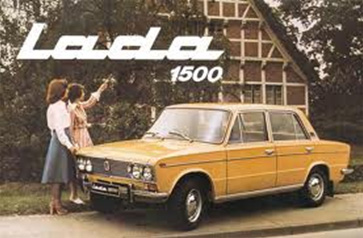
My 1978 Lada in New Zealand
- Posted by - (1) Comment
Dear Vin Karnila,
A friend of mine whose brother lives in Lithuania sent me a copy of your article Back to the USSR in Vilnews which I read with interest. Regarding your comments on buying cars during Soviet times reminded me that when my father purchased his car in 1969 (and for many years after), it was not possible to buy a new car in New Zealand unless you had access to overseas funds, which meant that you had to be someone like a dairy farmer who was exporting. At that time, some people would ask their relatives who were farmers to buy cars on their behalf, and then pay them back. In the neighbourhood in which I lived for example, the daughter of only one family had a new car as her husband was a farmer. In fact, they bought a new car (GM Holdens made in Australia) every couple of years. My father ended up buying a 1965 MK III Ford Zodiac imported from the UK by its first owner and I still own it. It is in original condition and has appeared in two UK car magazines. I also have a rare 1972 Volvo 164 (with only 42,000 mls) which I bought several years ago.
My daily car is a 1978 Lada 21031 (1500cc) which I have had since 1987 and used almost every day until recently when I began to bus to work as my carpark is now a construction area. It has 225,000 mls or 360,000 kms on the odometer. I don't doubt what you say about drivers doing up to 600,000 kms on the same engine because I heard of Canadian ones with 500,000 kms and when I had mine checked a few years ago there was no wear in the bore and it still looked new inside. I also agree with you mentioning the Lada as the most produced car. Many people don't realise that because of the figures given for the VW beetle and the Toyota Corolla. However, in the case of the beetle, the boot rubber is the only part shared between models. Every other part including the body pressings and mechanicals are different. The Corolla claim is misleading because it only relates to the name 'Corolla' - in fact there have been at least 6 (possibly 7 now) different Toyota models that have used the brand 'Corolla'. However, in the case of Lada, it is indeed the same car that has been produced with only minor upgrades.
Luckily I have not needed to change many parts on my Lada. In NZ we have access to parts for old Ladas so it is not a problem. The first water pump lasted 90,000 mls and I then fitted another substitute brand that the garage had in stock but it only did 16,000 mls when it suddenly failed. I then changed it for a Lada one again and that one did about 90,000 mls too. I had problems with the fuel pump after 200,000 mls and fitted another. I also had a replacement steering box and carburettor (at 160,000 mls). Recently when the car was on a hoist I checked the differential oil which I had never changed. Remarkably, it looked perfectly clean (just as new oil) and was still at the correct level even though I have never added to it. In the time I had the car, I have only added about 2 cups of oil to the gearbox, although I have heard that 5-speed boxes tend to use oil (mine is a 4-speed).
In NZ, people often make jokes about Ladas but owners generally liked them for their ease of servicing. Every now and then you would get one that would play up but I've never heard of any major problems. One thing that impressed me was the engineering. Shortly after I bought my car, the oil pressure gauge dropped to nothing. I thought the gauge had failed so kept driving the car for a week and at the time was driving to work on a motorway about 34 miles per day. When I did get the car checked, the gauge was in fact working but there was no oil pressure at all! The former owner had been an elderly person who drove only short distances and left the servicing to a local garage. I'm not sure if they had in fact been changing the oil or even used the correct oil because it was thick like sludge and had blocked the oil pickup. I had to get the engine totally cleaned out (which was covered by insurance) but there didn't appear to be much damage apart from some scouring on the cam shaft. The interesting thing is that everyone tells me that it is not possible to drive a car without oil pressure, especially at motorway speeds. All I know is that I did it for a week so either I was very lucky or the car's engineering permitted this to happen.
Several years ago we had a major storm and the carpark in which I was parked got flooded. The water went well up the doors and into the passenger compartment. The other cars had to be towed out as they would not even start, but the Lada started as usual and I drove home after removing the water from the cabin with a tin. I stripped all the carpets and sound proofing as well as all the seats as the water had soaked into the seat packing from beneath. The door cards on the rear doors were damaged but the front ones were not. Over the last years I have become attached to the car and would never sell it even if offered many times more than what I originally paid for it in 1987 ($6000). Nor do I want to get rid of it when it finally dies, and I will hopefully be able to store it somewhere.
Finally, regarding the Volga section of your article. I think the series 1 and 2 photos are in the wrong order (the larger-spaced vertical grill is the earlier model). Also the very first M21 Volga had a different front grill again (with horizontal bars only, and a round star emblem in the middle) so there were in fact 4 series. There is a photo of the horizontal grill version in Julian Nowill's book 'East European Cars' (on page 11).
Well I hope that you find some of what I have said to be of interest.
Best of luck with the magazine,
John Iavas - New Zealand
Hello John,
Thank you for writing. With great interest I read all the information about your Lada. Your experiences with you Lada are like so many millions of other Lada owners in that the power train is pretty much indestructible and the repairs are for all the other components. I can fully understand your attachment to your Lada and your desire to keep it. It was also with great interest that I read about the New Zealand regulation not allowing a person to buy a new car unless it is paid for with funds from overseas. I am guessing that their logic behind this was that New Zealand money would not be used for the purchase of expensive import items.
Warm regards - Vin Karnila
- Bookmark :
- Digg
- del.icio.us
- Stumbleupon
- Redit it

“VilNews is changing the image of Lithuania!”
- Posted by - (0) Comment
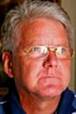
Aage Myhre
Editor-in-Chief
The woman I talked to at the National Day reception at the Norwegian Embassy in Vilnius some days ago had much good to say about our VilNews e-magazine, and I will not hide that it is good to hear such words – that what we have tried to address and achieve understanding for, in and about this country, is so well received, perceived and understood by one of our readers.
It gives inspiration to continue and an even stronger belief in the power of a free, democratic and outspoken press.
Here is what she said:
"Your VilNews e-magazine contributes more to Lithuania’s international reputation than any political leader or advertising campaign has done over the latest twenty years!”
“The Soviet Union's attack on Lithuania in January 1991 led naturally to an enormous press coverage worldwide but the attention was soon gone and Lithuania did nothing to exploit the 'commercial value' of the great interest that the country was exposed to at the time. And since then, most of the international press coverage of Lithuania has been negative, marked by crimes carried out by individuals and gangs from here.”
“Then comes VilNews, and suddenly we have access to a unique publication that explains Lithuania to the world in a completely different and smart way that makes the country sound and look very interesting again. Even those times when you criticize various aspects one understands that the criticism is based on well founded thoughts, fairness and a balanced approach. You are simply changing the image and perception of Lithuania!”
"I am also very impressed with the unusual combination you present of news, blogs, comments, and the enormous background material - not least that of historical character. It’s also very good to see that so many of your readers actually write and communicate actively through the channel you offer them with VilNews. I've actually never seen anything like this anywhere in the world."
“I am now recommending VilNews to all my contacts around the world, and I wish this nation's leaders would study your publication very carefully and pay close attention to and follow up much of what you write and suggest."
- Bookmark :
- Digg
- del.icio.us
- Stumbleupon
- Redit it

Lithuania’s president Aleksandras Stulginskis was among those arrested and deported to Siberia in June 1941
- Posted by - (2) Comment

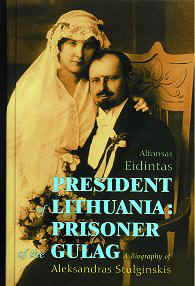
Cover of the book by Dr. Alfonsas Eidintas,
“President of Lithuania: Prisoner of the gulag (A biography of Aleksandras Stulginskis).”
Aleksandras Stulginskis, the first constitutional president after Lithuania had declared its renewed independence on 16 February 1918, was kidnapped at his home by Stalinist forces in June 1941 and deported to a Siberian Gulag. After he was released from the inhuman captivity, he was still for years forced to live in Siberia's deep forests, until 1956. There, he built this log-cabin, which then for many years was home to Lithuania's former president and his wife Ona.
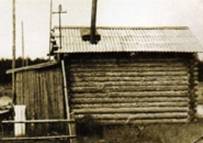
Lithuania’s President Aleksandras Stulginskis built this Siberian log cabin
by his own hands, living here with his wife Ona until 1956.
- Bookmark :
- Digg
- del.icio.us
- Stumbleupon
- Redit it
Good article about the LT media, but very soft…
- Posted by - (0) Comment

· Good article about LT media...
· but very soft approach....
· afraid they will hurt you when you write the real truth....??
· it is one of this reasons this country never will be on a western level.....
· it s corrupt till its bone's..... takes minimum 3 generation's to get some change.....
· wishing you well...
Jan Willem van Otterlo,
The Netherlands
- Bookmark :
- Digg
- del.icio.us
- Stumbleupon
- Redit it
RE: Lithuanian health system, doctors and hospitals that has caused my greatest disillusionment with Lithuania
- Posted by - (0) Comment

Dear Gintautas:
This is not the “Lithuanian” health system but the legacy of the Soviet/communist system!
To provide evidence of much broader applicability of your very sad experience, I will briefly describe the tragic case of my Mother dying in a small town in Poland in 2003.
My Mother had a sudden cardiovascular event; an ambulance was called and it took that ambulance about two hours to arrive from a hospital located 25 km away; soon we realized why it took so long!
Some 6 people (sic!) arrived in that ambulance and all of them were under the visible influence of alcohol, the most intoxicated were the most important people in the ambulance: doctor and driver.
The crew eventually managed to put my Mother on the stretcher but one of the drunken bearers collapsed while carrying my Mother, almost dropping her on the ground! Then the ambulance drove off very slowly driven by a drunken driver. After spending several hours in hospital, my Mother passed away.
Rushed from Canada (I visited my Parents very frequently), I had seen my Mother just a couple of weeks before that fatal cardiovascular event. At that time she was in the same hospital with some 9 older patients in the same one room. The food served there was awful, so we used to bring our own food. I did not pursue any further actions to improve my Mother’s wellbeing there because she was about to be discharged home soon.
Immediately after my Mother’s funeral I did a bit of investigation into the (very new) possibilities of suing the hospital for malpractice and the criminal behavior (intoxication of the ambulance crew).
All my relatives and friends were strongly against any action against the hospital for fear of retaliation, e.g. poisoning when they find themselves in the hospital. They scolded me: “you will leave for Canada but we have to live here”. I conceded.
In the postwar period, my Mother was involved with the Anti-Communist Underground fighting for freedom of both Poland and Lithuania: “Za Wolnosc Wasza i Nasza”, Polish for “For Freedom of Yours and Ours”.
Gintautas, what you described was not the “Lithuanian” health system but the legacy of the Soviet/communist system!
Valdas Samonis
Toronto
- Bookmark :
- Digg
- del.icio.us
- Stumbleupon
- Redit it
I understand that I will be unlikely to see much of an improvement in my lifetime, and therefore I will not be able to end my days in Lithuania, as I had hoped
- Posted by - (0) Comment

Gintautas Kaminskas
Wollongong, Australia
Below some extracts from an article written by Gintautas Kaminskas in Australia, based on his only attempt to live in Lithuania, a couple of years ago. You will find his complete article here:
https://vilnews.com/?p=4748
- At first it was wonderful being in Lithuania and speaking my beloved native language all the time, with everyone. But then I started to notice how unhappy so many people are, and how much dishonesty there is among crooked businessmen and tradesman and landlords who don’t pay taxes, bribe-taking public servants, policemen and doctors, people falsely claiming invalid pensions, etc. At a higher level some major scandals have shown that even some judges and Cabinet Ministers are not beyond taking a bribe.
The Seimas members are notorious for their greed and many have been exposed as corrupt.
It is mainly my experience with the Lithuanian health system, doctors and hospitals that has caused my greatest disillusionment with Lithuania and has in fact made me too frightened to live there myself. We could not leave my dad alone in hospital. We had to be with him 24 hours a day. We had to bring him food (you would die of malnutrition if you depended entirely on the inadequate meals the hospital gives you), we had to be there to bribe the doctor every few days (the amount of attention they paid to my dad dropped off noticeably if a new bribe was not received every few days), we had to be there to help him go to the toilet and in the end phase to change his nappy, we had to be there to make sure he got his medicine.
The hospitals were disgusting. One single toilet on the whole floor for 50 patients! No toilet seat! No paper! No soap! No fly screens on the windows – in a hospital! No lock on the toilet door – men come in and smoke while you are using the toilet – despite the “No Smoking” signs! No facilities for the patients to have a shower or somehow wash themselves. Cold in winter and hot in summer. Hygiene very dubious. An absolute nightmare and disgrace.
When my dad died we even had to bribe the cemetery officials to get a decent burial site that wasn’t down in the gully where a big puddle forms and the ground goes boggy every spring. (They deliberately offer you the lousy places to make sure they get a bribe.)
So by the end of 2009 I had left Lithuania too, with aching heart. I blame the bribery and corruption entirely on the Russians. If Lithuania had been left alone (preferably right from 1795, not just 1918!) I am sure it would be like Sweden now. There are a lot of hard-working decent folks in Lithuania and my heart bleeds for them.
The only way out of this quagmire that I can see is for journalists and other brave people to campaign against bribery and corruption and to convince the general public to start doing so too.
I am still an idealist, but now, belatedly, also a realist. I understand that I will be unlikely to see much of an improvement in my lifetime, and therefore I will not be able to end my days in Lithuania, as I had hoped. But the flame of hope burns brightly in my heart that the past sacrifices of brave Lithuanians for the homeland have not been in vain and that one day there will be a living standard in Lithuania not far behind that of the Scandinavian and leading Western European countries. I hope I can make some contribution to the process, no matter how minor.
- Bookmark :
- Digg
- del.icio.us
- Stumbleupon
- Redit it
Thanks for your brave and honest articles
- Posted by - (1) Comment
I agree 100 % with you about the thesis you wrote in this issue of the journal. Things in reality are exactly as you clearly and straight have written. The reason why you often get critics is the limited knowledge of short-term "visitors", such as business consultants, diplomat crops, coming here for some years and then trying to make a picture from official Lithuanian sources or lousy press articles. I think especially you and partly me (14th year passing here) with our good touch with local population, business-life, some understanding of language and Scandinavian background, values, are looking around without coloured spectacles. Still, almost every day on, with one's private and business life meet corruption, centralization of business (Rubikon, VP etc) and pre-agreed tenders, cartels.
Lithuania has got a lot of very good opportunities to become one of the success stories in Europe for agriculture, tourism, IT services, leading harbour country by the Baltic Sea etc. but the style must be changed as you say. Thanks, Aage, for your brave and honest articles earlier, now and in the future.
Krister Kastren,
Consul of Finland in Klaipeda, Lithuania
- Bookmark :
- Digg
- del.icio.us
- Stumbleupon
- Redit it
“This has been the greatest day of my life!”
- Posted by - (0) Comment
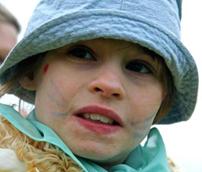
This is a comment the organisers of the ‘charity’ event ‘BŪKIME KARTU’ have heard every year from the participating orphans, since it all began in 2002.
- Bookmark :
- Digg
- del.icio.us
- Stumbleupon
- Redit it
We have recently discovered your internet journal and are extremely impressed
- Posted by - (0) Comment

Dear VilNews,
We have recently discovered your internet journal and are extremely impressed by it. It is sad that our own, Lithuanian press does not have standards that you do!
We are very happy to have an informative, objective and intelligent source of news from Lithuania.
We are a community initiative, the non-profit organization based in New York.
We are video blog in Lithuanian reporting Lithuanian evens, news, interviews about Lithuanians in the US mainly in New York, New Jersey, Connecticut.
Sincerely,
Mykolas Gudelis
Founder, AmericaLTV
- Bookmark :
- Digg
- del.icio.us
- Stumbleupon
- Redit it

Great job with VilNews, actually a unique one globally!
Valdas Samonis PhD, CPC
The Web Professor of Global Management(SM) Institute for New Economic Thinking, New York City, USA and Royal Roads University, Canada. Knowledge Management Editor, Transnational Corporations Review (TNCR)
- Bookmark :
- Digg
- del.icio.us
- Stumbleupon
- Redit it
It is unbelievable what you have accomplished – created the best English language news forum about Lithuania and Lithuanians. Simply amazing!!
Vytautas Sliupas,
P.E. Burlingame, California, USA
- Bookmark :
- Digg
- del.icio.us
- Stumbleupon
- Redit it
Comments to our article ‘Look to Norway’
- Posted by - (6) Comment
 https://vilnews.com/?p=5843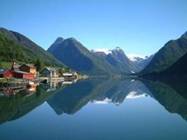
“During my visit to Lithuania in January 1991, while the Soviet troops surrounded the Parliament and the TV tower in Vilnius, our Norwegian delegation brought with us a letter from Oslo's mayor confirming that Oslo was ready to be Vilnius' first sister city in the west. Later, many Lithuanian and Norwegian cities, municipalities and counties have established friendship agreements. But in most cases only with words, little action.”
Aage Myhre
- Bookmark :
- Digg
- del.icio.us
- Stumbleupon
- Redit it
And that was how things started during the collapse of the USSR and the dawn of Lithuanian freedom!
- Posted by - (0) Comment

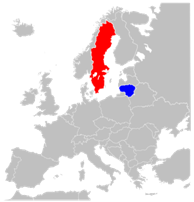
I was invited to serve as the economic reform expert (actually to lead the effort) by The International Baltic Economic Survey Commission, a "blue ribbon" advisory formed by the Swedish PM Mats Karlsson; we worked out of the Swedish PM Office with very frequent travel for field work to the Baltics, esp. Estonia and Latvia in my case.
However, the Lithuanian reforms were since 1992 effectively hijacked (using the brainwashed, Sovietized older voters, esp. vulnerable to propagation of the Soviet kolkhozes by Brazauskas, etc) by the Soviet nomenklatura for a reason: to create a Russian/Latin American style oligarchic, mafia-style system that would fully allow bolsheviks to continue rent-extracting policies (A. Kruger and M. Voslensky term) and to rule Lithuania for the nomenklatura benefit (beggaring the people of course) long after the USSR collapse as they obviously did with minor exceptions since, almost totally excluding younger (nationally and Western minded) generations from any governance roles in the society and brutally driving them to leave the country.
Valdas Samonis
- Bookmark :
- Digg
- del.icio.us
- Stumbleupon
- Redit it

OPINIONS
Have your say. Send to:
editor@VilNews.com

Ph. D., Chicago
A wave of unity sweeps the international Lithuanian community on March 11th every year as Lithuanians celebrated the anniversary of the Lithuanian Parliament's declaration of independence from the Soviet Union in 1990. However, the sense of national unity engendered by the celebration could be short-lived.
Human beings have a strong tendency to overgeneralize and succumb to stereotypical us-them distinctions that can shatter even the strongest bonds. We need only search the internet to find examples of divisive thinking at work:
- "Those who fled Lithuania during World II were cowards -- and now they come back, flaunt their wealth, and tell us 'true Lithuanians' how to live."
- "Lithuanians who work abroad have abandoned their homeland and should be deprived of their Lithuanian citizenship."

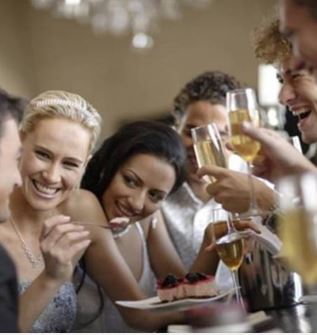
In Lithuania Christmas Eve is a family event and the New Year's Eve a great party with friends!
Lithuanian say "Kaip sutiksi naujus metus, taip juos ir praleisi" (the way you'll meet the new year is the way you will spend it). So everyone is trying to spend New Year's Eve with friend and have as much fun as possible.
Lithuanian New Year's traditions are very similar to those in other countries, and actually were similar since many years ago. Also, the traditional Lithuanian New Years Eve party was very similar to other big celebrations throughout the year.
The New Year's Eve table is quite similar to the Christmas Eve table, but without straws under the tablecloth, and now including meat dishes. A tradition that definitely hasn't changes is that everybody is trying not to fell asleep before midnight. It was said that if you oversleep the midnight point you will be lazy all the upcoming year. People were also trying to get up early on the first day of the new year, because waking up late also meant a very lazy and unfortunate year.
During the New Year celebration people were dancing, singing, playing games and doing magic to guess the future. People didn't drink much of alcohol, especially was that the case for women.
Here are some advices from elders:
- During the New Year, be very nice and listen to relatives - what you are during New Year Eve, you will be throughout the year.
- During to the New Year Eve, try not to fall, because if this happens, next year you will be unhappy.
- If in the start of the New Year, the first news are good - then the year will be successful. If not - the year will be problematic.
* If New Year's night is cold and starry - look forward to a good summer!
* If the during New Year Eve trees are covered with frost - then it will be a good year. If it is wet weather on New Year's Eve, one can expect a year where many will die and dangerous epidemics occur.
* If the first day of the new year is snowy - the upcoming year will see many young people die. If the night is snowy - mostly old people will die.
* If the New Year time is cold - then Easter will be warm.
* If during New Year there are a lot of birds in your homestead - then all year around there will be many guests and the year will be fun.
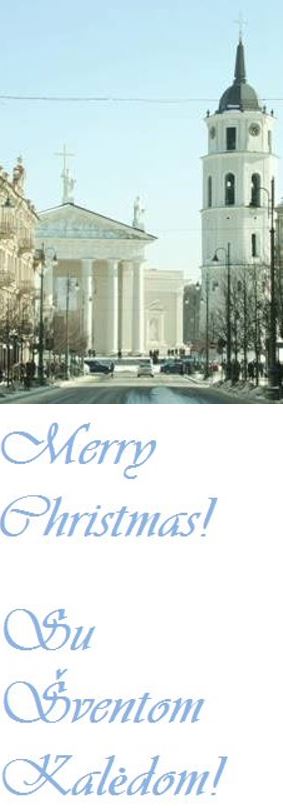
Christmas greetings
from Vilnius
and epic battle for the
future
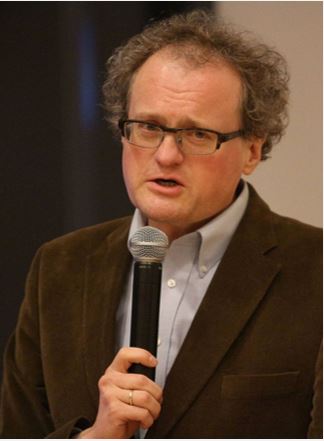
Philosopher, political theorist, historian of
ideas, social analyst, and political
commentator
Ukraine was and continues to be perceived by the EU political class as a sort of grey zone with its immense potential and possibilities for the future, yet deeply embedded and trapped in No Man's Land with all of its troubled past, post-Soviet traumas, ambiguities, insecurities, corruption, social divisions, and despair. Why worry for what has yet to emerge as a new actor of world history in terms of nation-building, European identity, and deeper commitments to transparency and free market economy?
Right? Wrong. No matter how troubled Ukraine's economic and political reality could be, the country has already passed the point of no return. Even if Vladimir Putin retains his leverage of power to blackmail Ukraine and the West in terms of Ukraine's zero chances to accede to NATO due to the problems of territorial integrity, occupation and annexation of Crimea, and mayhem or a frozen conflict in the Donbas region, Ukraine will never return to Russia's zone of influence. It could be deprived of the chances to join NATO or the EU in the coming years or decades, yet there are no forces on earth to make present Ukraine part of the Eurasia project fostered by Putin.
want to learn about the
new, scary propaganda
war between Russia,
The West and the
Baltic States!
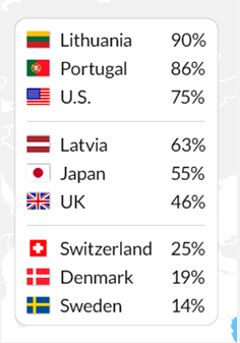
believe their government
is corrupt
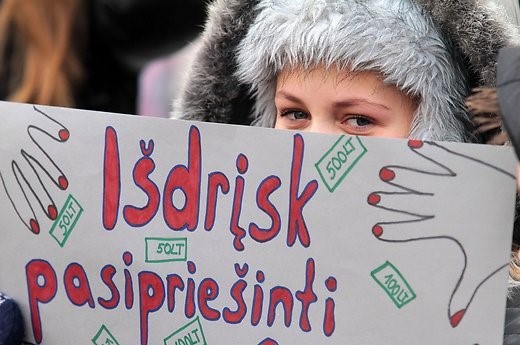
students say no to
bribes for doctors
During Soviet times, government was administered for the people in control, not for the local population, court decisions were decreed, they were not the administration of justice, and academia was the domain of ideologues. 25 years of freedom and openness should have put those bad experiences behind Lithuania, but that is not so.
Today, it is a matter of expectation that court pronouncements will be governed by ideological dictates. Few, if any Lithuanians expect real justice to be effected. For foreign companies, doing business in Lithuania is almost impossible in a situation where business people do not expect rule of law, so, surely Government would be a refuge of competence?
Lithuanian Government has not emerged from Soviet styles. In an attempt to devolve power, Lithuania has created a myriad of fiefdoms of power, each speaking in the name of the Government, each its own centralized power base of ideology.

Chepstow, Wales
Doesn't that sound suspiciously like Lithuania? Ah, but I didn't mention the mountains of Snowdonia, which would give the game away.
I'm talking about Wales, that part of the UK which Lithuanians used to call "Valija", but later named "Velsas" (why?). Wales, the nation which has welcomed two Lithuanian heads of state to its shores - firstly Professor Vytautas Landsbergis, who has paid several visits and, more recently, President Dalia Grybauskaitė who attended the 2014 NATO summit which was held in Newport, South Wales.
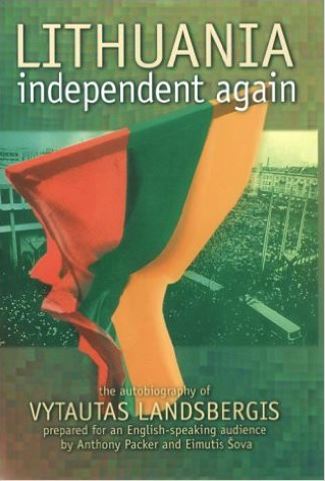
ENGLISH VERSION OF THE
AUTOBIOGRAPHY OF VYTAUTAS LANDSBERGIS.
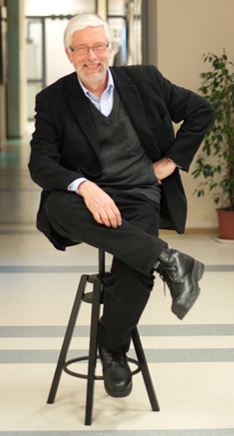
Although Lithuanian activities have thinned over the decades as that postwar generation died out, the Lithuanian Martyrs' parish hall is crowded with many, many hundreds of visitors who come to the Lithuanian cemetery for All Souls' Day. Similarly, the Franciscan parish has standing room only for Christmas Eve mass.
Although I am firmly embedded in the literary culture of Canada, my themes are usually Lithuanian, and I'll be in Kaunas and Vilnius in mid-November 2015 to give talks about the Lithuanian translations of my novels and short stories, which I write in English.
If you have the Lithuanian language, come by to one of the talks listed in the links below. And if you don't, you can read more about my work at
www.anatanassileika.com
http://www.vdu.lt/lt/rasytojas-antanas-sileika-pristatys-savo-kuryba/ https://leu.lt/lt/lf/lf_naujienos/kvieciame-i-rasytojo-59hc.html
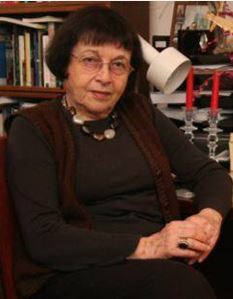
"My love and best wishes to all. As long as VilNews exists, there is hope for the future,"" she writes.
Irena Veisaite means very much for our publication, and we do hereby thank her for the support and wise commitment she always shows.
You can read our interview with her
Facing a new reality
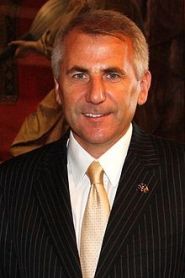
Dear readers of VilNews,
For a number of years, the EU and Russia had assumed the existence of a strategic partnership, based on the convergence of values, economic integration and increasingly open markets and a modernisation agenda for society.
Our agenda was positive and ambitious. We looked at Russia as a country ready to converge with "European values", a country likely to embrace both the basic principles of democratic government and a liberal concept of the world order. It was believed this would bring our relations to a new level, covering the whole spectrum of the EU's strategic relationship with Russia.
The likelihood of Putin
invading Lithuania
.jpg "lithuania today")
Founding Director at Summer Literary Seminars
Are all Lithuanian energy
problems now resolved?
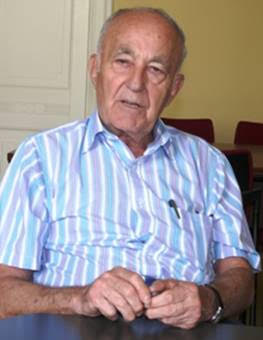
Lithuania as a country does not have significant energy resources. Energy consuming infrastructure after WWII was small and totally supported by energy imports from Russia.
First nuclear reactor begins power generation at Ignalina in 1983, the second reactor in 1987. Iganlina generates enough electricity to cover Lithuania's needs and about 50%.for export. As, prerequisite for membership in EU, Ignalina ceases all nuclear power generation in 2009
The Klaipėda Sea terminal begins Russia's oil export operations in 1959 and imports in 1994.
Mazeikiu Nafta (current ORLEAN Lietuva) begins operation of oil refinery in 1980.
Have Lithuanian ties across
the Baltic Sea become
stronger in recent years?
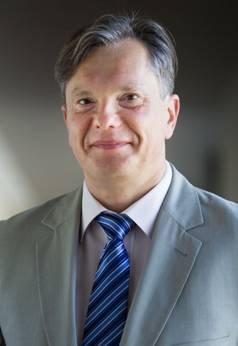
The two decades that have passed since regaining Lithuania's independence can be described as a "building boom". From the wreckage of a captive Soviet republic, a generation of Lithuanians have built a modern European state, and are now helping construct a Nordic-Baltic community replete with institutions intended to promote political coordination and foster a trans-Baltic regional identity. Indeed, a "Nordic-Baltic community" - I will explain later in my text the meaning of this catch-phrase.
Since the restoration of Lithuania's independence 25 years ago, we have continuously felt a strong support from Nordic countries. Nordics in particular were among the countries supporting Lithuania's and Baltic States' striving towards independence. Take example of Iceland, country which recognized Lithuania in February of 1991, well in advance of other countries. Yet another example - Swedish Ambassador was the first ambassador accredited to Lithuania in 1991. The other countries followed suit. When we restored our statehood, Nordic Countries became champions in promoting Baltic integration into Euro-Atlantic institutions. To large degree thanks Nordic Countries, massive transformations occurred in Lithuania since then, Lithuania became fully-fledged member of the EU and NATO, and we joined the Eurozone on 1 January 2015.
Have you heard about the
South African "Pencil Test"?
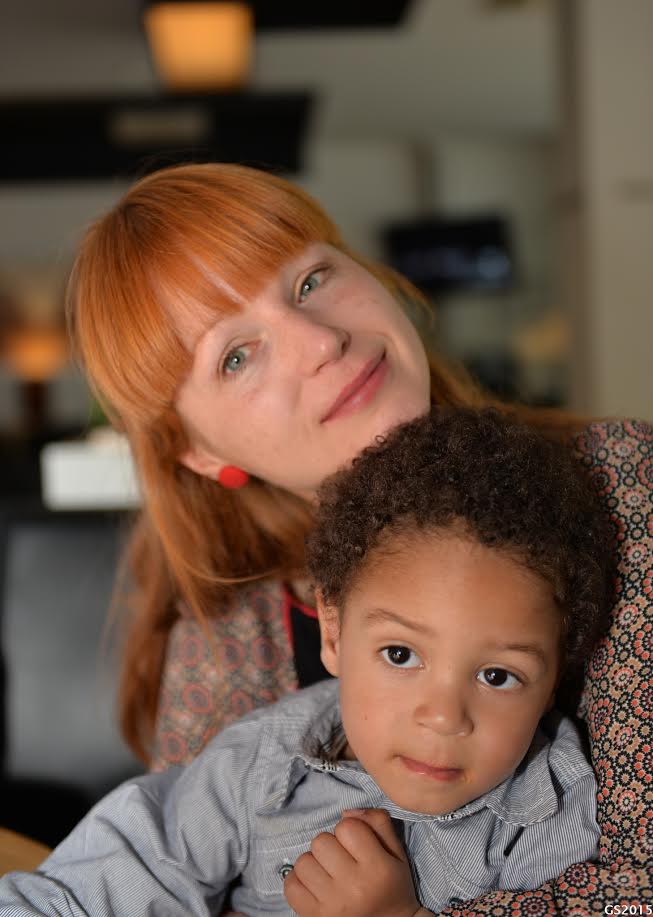
But that is exactly what happened to me when I came back from South Africa. I will tell you how.
VilNews e-magazine is published in Vilnius, Lithuania. Editor-in-Chief: Mr. Aage Myhre. Inquires to the editors: editor@VilNews.com.
Code of Ethics: See Section 2 – about VilNews. VilNews is not responsible for content on external links/web pages.
HOW TO ADVERTISE IN VILNEWS.
All content is copyrighted © 2011. UAB ‘VilNews’.